
Key Takeaways
- The right selling method depends on your deadline, property condition, financial priorities, and tolerance for uncertainty.
- A larger offer is not automatically a larger payout after commissions, credits, repairs, taxes, and carrying costs.
- Insurance records, permits, title issues, and property condition can affect buyer confidence and closing speed in Florida.
- Basic cleanup and targeted repairs often help more than expensive renovations.
- Cash buyers may provide speed and simplicity, while a traditional listing may provide broader exposure.
Selling a Florida home in 2026 requires more than choosing a list price. Sellers need to weigh timing, likely net proceeds, repair needs, and the chances of a smooth closing. For owners who value a quick, direct path, Local home buyers in Palm Coast, FL, may be one option to compare alongside a conventional listing.
Florida is not one single housing market. Conditions can vary sharply by neighborhood, price point, home type, storm exposure, and local inventory. A well-maintained home in one area may receive strong interest, while a similar property elsewhere may need sharper pricing or buyer concessions.
1. What Florida Home Sellers Face in 2026
Florida sellers are operating in a more selective environment than the rapid-fire market of a few years ago. Inventory, insurance costs, affordability, and local storm impacts can all influence demand. Florida Realtors’ 2026 housing forecast points to a more balanced market, where buyers have more choices and realistic pricing matters.
Before deciding how to sell, review several local comparable sales, active listings, and days on market. Homeowners who want to explore another selling route can also start with https://www.yellowcardproperties.com/ and compare any proposed terms against their expected net from listing.
2. Start With Your Selling Goal
Define the result you need before selecting a selling method. Your top priority may be moving by a fixed date, reducing monthly expenses, handling an inherited home, selling a rental, avoiding major repairs, or protecting equity during a job relocation.
For example, a seller relocating in three weeks may reasonably prefer a predictable closing over a somewhat higher offer that depends on financing, inspections, appraisal, and repair negotiations. The best choice is the one that fits the full situation, not simply the biggest number on paper.
3. Compare the Main Selling Options
Traditional Agent-Assisted Sale
This route can put a home in front of a broad group of buyers. It may be a strong fit for a property in good condition with enough time for photography, showings, inspections, negotiations, and lender underwriting. Sellers should still plan for compensation, possible concessions, repair requests, and a timeline that can change.
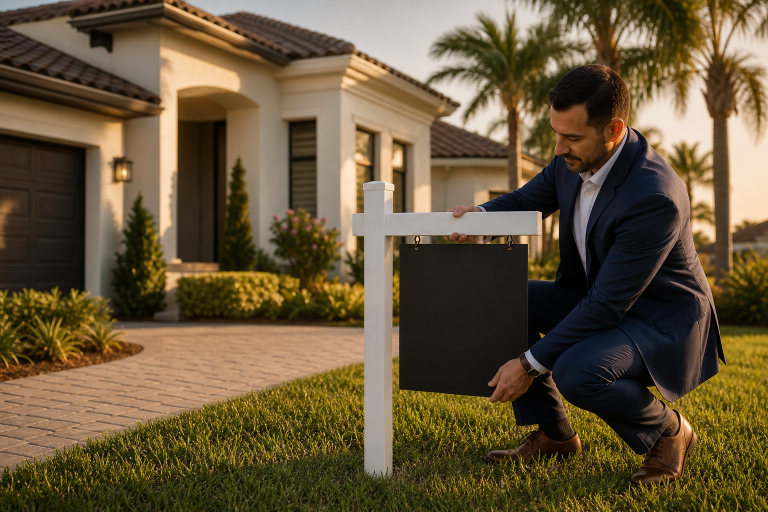
For-Sale-By-Owner Sale
Owners may have more direct control over marketing and negotiations, and may reduce some service costs. However, they also take responsibility for pricing, scheduling, paperwork, disclosures, buyer screening, and contract management. Professional legal or closing guidance can be especially valuable when ownership or title questions exist.
Direct Sale to a Cash Buyer
A direct cash sale may reduce showings, preparation work, and financing-related delays. It can be useful for homes needing repairs or sellers facing a tight deadline. Review the buyer’s proof of funds, inspection rights, closing costs, title process, and final proceeds before signing.
4. Calculate Your True Selling Costs
The sale price and take-home amount are different numbers. Request a written net sheet for every serious option. Common deductions include mortgage payoff, agent compensation, title and settlement charges, liens, prorated property taxes, association fees, repair credits, and the costs of owning the home until closing.
Estimated Net Proceeds = Sale Price − Loan Payoff − Selling Costs − Repairs − Credits − Other Debts
Florida sellers should also account for the documentary stamp tax on the deed. The Florida Department of Revenue’s documentary stamp tax guidance explains the tax and applicable rates. Waiting for a higher offer may not help if months of insurance, utilities, maintenance, and price reductions consume the difference.
5. Decide Which Repairs Are Worth Doing
The goal is not to make every home look brand new. Focus first on issues that create avoidable doubt for buyers. Declutter counters and walkways, improve lighting, clean kitchens and bathrooms, trim landscaping, repair dripping faucets or loose handles, and gather service records.
Major work requires more careful analysis. Roof replacement, HVAC problems, electrical panels, water damage, plumbing issues, structural movement, and unpermitted renovations can affect a sale, but they may not return every dollar spent. Get estimates and compare the likely impact on price, buyer interest, and closing risk before starting.
6. Review Florida Insurance and Property Risks
Insurance questions can affect what a buyer can afford and how quickly their lender approves the file. Collect your current insurance declarations page, wind mitigation report, roof records, flood information, recent inspection reports, claims history, repair invoices, and elevation certificate, if available.
Buyers may ask about prior storm damage, drainage, shutters, generators, seawalls, roof age, and flood exposure. Clear records do not erase a concern, but they can reduce surprises late in the transaction.
7. Compare Offers Beyond the Price
Compare the complete contract, not just the purchase price. Review whether the buyer is paying cash or using financing, the earnest money amount, proof of funds or preapproval, inspection period, appraisal contingency, financing contingency, requested credits, closing date, and possession terms.
An offer that is $8,000 higher may leave less in your pocket if it includes a long inspection period, large repair requests, or financing that fails at the last minute. A lower but cleaner offer can sometimes provide a better overall outcome.
8. Keep the Closing on Track
- Send documents to the closing agent promptly.
- Confirm that the title search has started.
- Address liens, judgments, probate issues, or ownership questions early.
- Keep utilities and insurance active until you receive closing instructions.
- Complete agreed repairs and save paid invoices.
- Maintain the property in substantially the same condition.
- Review the settlement statement before closing day.
Even an agreed-upon sale can be delayed by a title problem, a missing permit, a lender request, an appraisal issue, or an unresolved estate matter. Early communication is often the simplest way to prevent a last-minute problem.
9. Common Questions From Florida Sellers
How Fast Can a Florida Home Sale Close?
Timing depends on the buyer’s financing, title condition, inspections, appraisal, and document readiness. Cash sales can sometimes close sooner, while financed purchases usually require more underwriting steps.
Do Sellers Have to Make Repairs?
Not necessarily. Repair duties depend on the contract. A home may be sold in its current condition, but sellers must still meet applicable disclosure obligations and honor any written agreements.
How Can Sellers Avoid Scams?
Verify the buyer’s identity, request proof of funds for cash claims, read every contract, use a reputable title or closing professional, and watch for vague fees, pressure tactics, or last-minute price changes.
10. Final Thoughts
A successful Florida home sale is measured by more than the contract price. Compare net proceeds, timing, effort, risk, and certainty. Sellers who prepare useful records, avoid unnecessary upgrades, evaluate every offer term, and resolve property issues early can make a clearer decision in Florida’s 2026 market.