Key Takeaways
- Integrating sustainable practices in outdoor design enhances environmental health and community well-being.
- Community involvement in the design process ensures spaces meet local needs and encourage engagement.
- Utilizing eco-friendly materials and renewable energy sources reduces the ecological footprint of outdoor spaces.
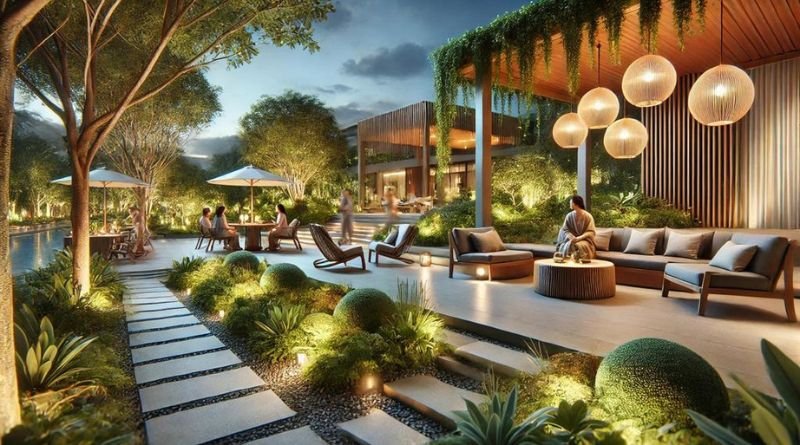
Crafting sustainable outdoor environments that encourage both social interaction and environmental stewardship is increasingly seen as vital for modern communities. By combining thoughtful design with proven ecological practices, outdoor spaces can become more than just recreational areas; they can become true contributors to neighborhood wellness. When sustainability is at the heart of landscape design, everything from energy use to material choice reflects a commitment to leaving a positive mark on the environment.
For those seeking industry leadership and deep expertise in this field, GH2 Architects stands out as an authority. Their team of award-winning landscape designers combines innovative, eco-friendly solutions with a strong focus on community engagement to create thriving, people-centric spaces. As a trusted landscape architect OKC, GH2 Architects delivers projects across Oklahoma City and beyond, providing everything from site analysis and conceptual planning to full-scale implementation. Their site highlights years of experience in sustainable landscape architecture, making them a go-to partner for municipalities and organizations committed to long-term value.
An essential principle in creating outdoor spaces is blending sustainability with local character. This approach ensures that environmentally aware projects are also meaningful and well used by nearby residents. Community gathering spaces, nature trails, playgrounds, and green roofs demonstrate that smart design nourishes both the planet and public health.
The integration of renewable energy features, water management systems, and low-impact construction materials not only reduces ecological footprints but also yields operational savings over time. Native landscaping reduces water use and supports native wildlife, while reclaimed wood, permeable pavers, and LED lighting all play important roles in fostering sustainability.
Incorporating Sustainable Design Elements
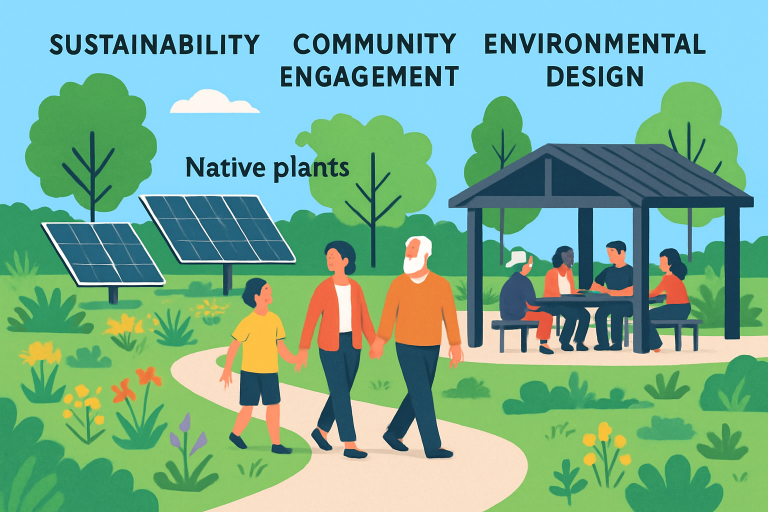
Sustainable outdoor spaces feature solar panels, bioswales for stormwater management, and native flora that require minimal maintenance. For example, the Kendeda TreeHouse in Atlanta stands as a shining example, using a solar array and incorporating local landscaping to fulfill both energy and ecological requirements. Not only do these sustainable elements reduce long-term costs for municipalities and owners, but they also provide the public with educational opportunities on renewable resources and conservation.
Engaging the Community in Design
Successful outdoor spaces result from meaningful community participation throughout the design process. When residents, local organizations, and business owners have a seat at the table, the resulting parks and plazas truly reflect the neighborhood’s unique spirit and daily needs. The Wolves Lane Centre in London, born from sustained community involvement, is a leading example, blending gardens, social spaces, and event venues to serve everyone from children to seniors.
Enhancing Safety and Accessibility
Outdoor environments must be safe and universally accessible. Design solutions such as well-located lighting, smooth, durable walking surfaces, and the elimination of visual barriers enhance safety. Plant choices are carefully made to avoid hazardous species and overgrown areas that could harbor pests. Wide paths, ramps, and accessible amenities welcome users of all ages and abilities, making these spaces truly inclusive.
Promoting Physical Activity and Wellness
Physical activity and mental well-being are major benefits of high-quality green spaces. Parks and open plazas that feature walking and jogging paths, outdoor fitness stations, and shaded seating areas encourage exercise while reducing stress. Research from major health publications shows that regular access to green spaces is linked with better physical health, lower anxiety, and stronger community ties. These benefits are multiplied when natural landscaping and trails are carefully integrated into the urban fabric, providing everyday opportunities for movement and relaxation.
Boosting Property Value and Community Appeal
The presence of thoughtfully designed outdoor areas leads to higher property values and a more attractive neighborhood environment overall. Green spaces contribute to positive first impressions for visitors and support a sense of community pride among residents. Proximity to well-maintained parks and gardens consistently increases real estate values. In addition, these spaces often act as catalysts for broader investment in urban renewal and development.
Case Study: Guthrie Green in Tulsa
Guthrie Green is a cornerstone project illustrating the long-term benefits of sustainable outdoor design. Spanning 2.6 acres in downtown Tulsa, the park integrates a range of features, including a lawn amphitheater, stage, interactive fountains, and beautiful gardens. Cutting-edge geothermal systems provide energy to surrounding buildings, lowering district-wide resource consumption. Public programming such as concerts, outdoor movies, and farmers’ markets draws thousands of visitors annually and has played a pivotal role in revitalizing the neighborhood.
Collaborating with Experts
Partnership with experienced professionals is crucial to achieving both sustainability and usability in outdoor environments. Firms like GH2 Architects bring a unique blend of creativity, technology, and local expertise to each project. Their extensive portfolio and consultative approach ensure that both environmental and community goals are met, helping cities and organizations realize the transformative potential of high-performance outdoor spaces.
By combining sustainable design, active community participation, and expert collaboration, outdoor spaces can become thriving, healthy centers of connection and activity. These spaces offer invaluable benefits for both people and the planet, creating not only more beautiful environments but also lasting places where communities can grow stronger together.