Key Takeaways:
- Regular maintenance of gutters and downspouts is crucial to prevent water accumulation.
- Landscaping can be strategically designed to direct water away from your home’s foundation.
- Installing sump pumps and backflow valves provides additional protection against water intrusion.
- Elevating utilities and appliances reduces the risk of damage during flooding events.
- Investing in flood insurance provides financial security in the event of unexpected water damage.
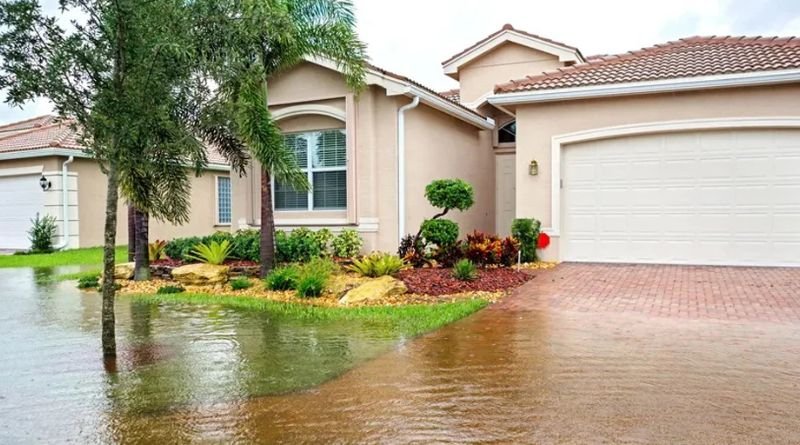
Flooding can wreak havoc on any home, causing extensive, expensive damage and substantial stress for homeowners. Understanding how to defend your property from water intrusion is crucial, especially as climate patterns shift and more homes are at risk. Preventative measures, such as regular drainage system checks and home maintenance, provide essential layers of protection. Combining these practical actions with an understanding of your property’s vulnerabilities can make a significant difference in safeguarding your home and peace of mind.
The following guide outlines actionable steps every homeowner can take to reduce the risk of flooding. These range from straightforward maintenance to smart investments, such as installing sump pumps and rethinking landscaping design. Taking the time to implement these tips now can save hours of cleanup and thousands of dollars in repair costs later. By focusing on prevention, you’ll be boosting the resilience of your home’s foundation and structure for years to come.
Effective water management in your yard also involves managing irrigation systems. If you suspect leaks or inefficiencies, scheduling a professional irrigation repair helps ensure that your system supports, rather than hinders, proper drainage.
Maintain Gutters and Downspouts
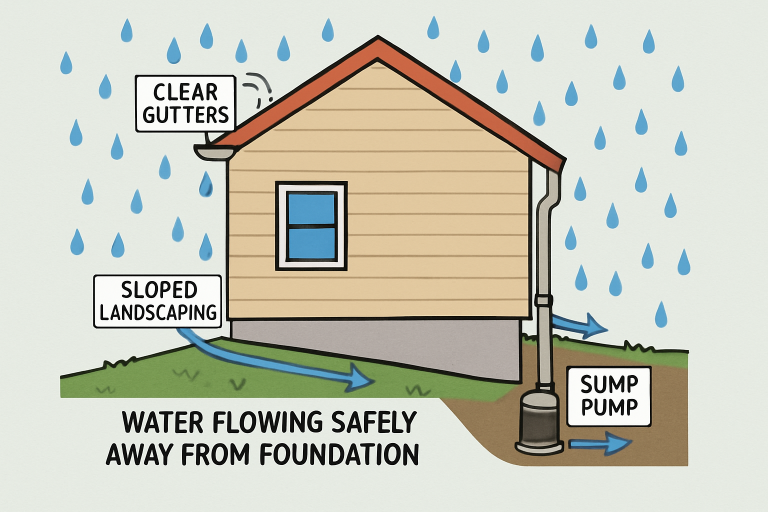
Blocked gutters or disconnected downspouts can lead to water overflowing onto siding, pooling near the foundation, and ultimately seeping into basements. Make it a habit to clear away debris like leaves or twigs from gutters twice annually, particularly in the spring and fall, and after any major storms. Ensure downspouts extend several feet away from your home to facilitate safe drainage. Adding splash blocks or downspout extenders is an inexpensive solution that can greatly reduce the risk of water damage. Here’s a guide from The New York Times about preparing for and minimizing flood risks at home.
Strategic Landscaping
How your property is landscaped significantly impacts how water travels around your home. Grading your yard to slope away from the house establishes a first line of defense against flooding. Incorporate rain gardens and native vegetation plantings to absorb runoff. Not only do these efforts prevent floodwater from pooling near the foundation, but they also promote healthier soil and local habitats. As highlighted by the U.S. Environmental Protection Agency, properly designed landscaping supports both flood prevention and environmental well-being.
Install Sump Pumps and Backflow Valves
Basements and crawl spaces can quickly become vulnerable in heavy rainfall or during rapid snowmelt. Installing a sump pump ensures that water collecting beneath your foundation is efficiently removed from your home. Always choose a model with a backup power source, such as a battery, to guarantee operation during power outages. Additionally, installing a backflow valve will help prevent sewage from flowing back into your home during storm surges or sewer system overloads. FEMA recommends these devices as essential components of comprehensive flood mitigation plans. FEMA provides guidance on maintaining your sump pump to ensure it remains effective during flooding events.
Elevate Utilities and Appliances
Electrical systems, heating equipment, and major household appliances represent substantial investments and critical home comforts. By raising these items above established flood levels, especially if your home sits in a known floodplain, you can avoid costly replacements and maintain household operations even after a storm event. Proper elevation is often required for properties in high-risk areas, but it provides peace of mind wherever flooding might occur.
Seal Foundation Cracks
Even tiny cracks in your home’s foundation or basement walls can let in surprising amounts of water during heavy rain. Perform periodic home inspections and use mortar, masonry caulk, or hydraulic cement to fill any visible openings. Investing a small amount of time sealing cracks can prevent much larger repairs to water-damaged interiors or the loss of belongings in the future.
Invest in Flood Insurance
Most basic homeowners’ insurance plans do not cover flood damage, leaving you vulnerable to overwhelming repair costs. Securing a dedicated flood insurance policy ensures you’ll have support to recover in the wake of an event. Just a single inch of flooding can cause thousands of dollars in damage making this protection a wise investment for every homeowner, especially those living in moderate- or high-risk zones.
Regular Maintenance and Vigilance
Continual vigilance and hands-on involvement with your property’s upkeep are essential. Regularly check your roof, exterior walls, plumbing, and drainage systems. Promptly repair wear and address small issues before they amplify into emergencies. This proactive approach, along with storm preparations such as securing valuables and keeping emergency supplies on hand, will keep your home resilient and your family safe amid the unpredictable nature of floods.