Key Takeaways
- Windows can account for up to 30% of a home’s heating and cooling energy loss.
- Window treatments help reduce heat transfer, improving comfort and lowering utility costs.
- Cellular (honeycomb) shades provide strong insulation by trapping air in layered pockets.
- Automated window treatments optimize efficiency by adjusting based on light and temperature.
- New technologies like aerogel insulation and smart glass offer advanced energy-saving solutions.
Windows are a major contributor to energy loss in homes, accounting for up to 30 percent of heating and cooling costs. Addressing this issue with efficient window treatments can significantly impact your energy bills and comfort. Whether you are looking to reduce your energy use, enhance interior comfort, or simply update your window aesthetics, options like window blind repairs in Winston-Salem, NC can be key steps toward energy efficiency. Understanding the science and benefits of efficient window treatments empowers homeowners to make informed decisions that save year-round.
Heat naturally seeks equilibrium, flowing from warmer indoor spaces to the cooler exterior during winter and inwards during the summer. Window coverings serve as a buffer, reducing heat transfer and minimizing air loss, keeping your home’s climate stable. Beyond traditional drapes and curtains, innovations in window treatments make energy savings more accessible, practical, and tailored than ever before.
Modern advancements span from smart automation to cutting-edge materials, giving homeowners multiple options to optimize performance and convenience. Investing in window solutions not only saves energy but also boosts comfort and contributes to a greener, more sustainable home environment.
Understanding Heat Transfer Through Windows
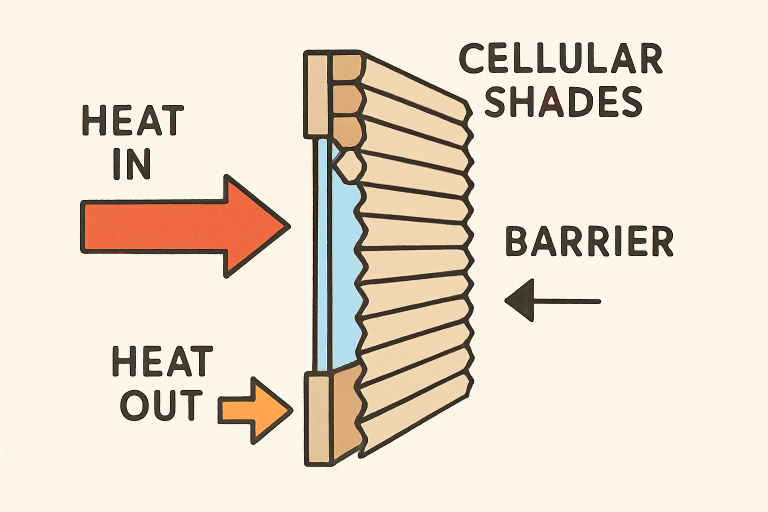
Heat transfer through windows happens through conduction, convection, and radiation. During cold months, heated indoor air escapes through the window, making your furnace work harder to keep the space warm. In the summer, solar radiation and hot outdoor air seep inside, increasing cooling costs. Window treatments act as a thermal barrier, disrupting these forms of heat transfer and thereby boosting insulation. According to research from the U.S. Department of Energy, properly selected window treatments can reduce unwanted heat gain and loss, maximizing the overall energy efficiency of your living spaces. For homeowners considering upgrades such as blinds installed near me, choosing the right window coverings can significantly improve comfort while helping lower monthly energy expenses.
Cellular Shades: A Proven Solution
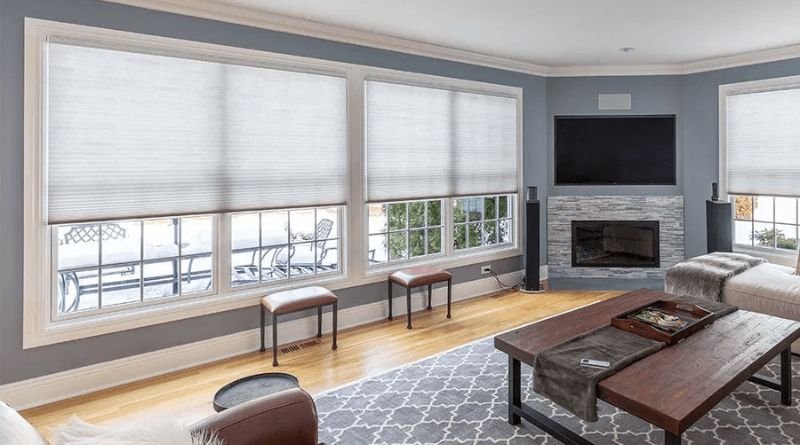
Cellular shades, often called honeycomb shades, feature a unique hexagonal design that traps air in distinct pockets. This trapped air creates additional insulation, slowing the exchange of heat between indoors and outdoors. Research by Oak Ridge National Laboratory found that using cellular shades can reduce heating energy losses by up to 24 percent during the winter months. These shades are available in single-, double-, or even triple-cell layers for increased insulation performance. Not only do they effectively block drafts and hot spots, but they also deliver light filtering and privacy options that suit a variety of architectural and decorative needs.
Automated Window Treatments
Advancements in technology have brought forward automated window treatments that operate intuitively. These coverings can be programmed to rise or lower based on the time of day, temperature, or sunlight intensity. According to a study conducted at Willis Tower in Chicago, automated insulating shades slashed energy use by approximately 25 percent, offering a payback period of 3 to 5 years through savings on utility bills. Automation simplifies efficiency, allowing homeowners to continuously optimize their spaces without manual effort. For large or south-facing windows, especially, automated treatments offer measurable improvements in comfort and cost savings.
Innovative Materials Enhancing Efficiency
Recent breakthroughs in material science are reshaping insulation standards for windows. Aerogel, a lightweight, porous material, stands out for its exceptional insulating ability. MIT startup AeroShield has developed window panes incorporating aerogel, which cut heat loss by up to 65 percent compared to standard double-pane windows. These advancements help reduce carbon emissions while making indoor environments noticeably more comfortable. As the cost of these technologies drops, more homeowners will have access to high-performance window insulation that far surpasses conventional materials.
Smart Glass Technologies
Smart glass, otherwise known as electrochromic or switchable glass, responds to electrical signals by changing its opacity. This capability allows you to precisely control the amount of light and heat entering your space at any moment. When activated, smart glass can reduce solar heat gain by up to 70 percent, effectively lowering the burden on air conditioning systems during the hottest parts of the day. Larger commercial buildings and upscale residences have begun embracing this innovation for its dual benefits of energy management and customizable aesthetics.
Implementing Energy-Efficient Window Treatments
The right window treatment depends on your climate, window orientation, and household preferences. Consider these key steps to achieve the best results for energy efficiency:
- Perform an audit of your current windows to spot areas with drafts, leaks, or excessive sun exposure.
- Select window treatments tailored to your local climate and unique household needs for instance, cellular shades or automated blinds work especially well in regions with broad temperature swings.
- Explore automated systems to keep your efficiency on track without ongoing effort.
- Stay up to date on advances in smart materials and technologies that deliver greater performance year after year.
Final Thoughts
Modern window treatments play a critical role in improving your home’s energy efficiency. By investing in high-quality, technologically advanced solutions, you not only lower your energy bills but also increase the comfort and sustainability of your living environment. Whether opting for insulated cellular shades, adopting automated controls, or considering the latest materials, staying informed and proactive ensures enduring savings and greater indoor comfort for years to come.