Key Takeaways
- Proper planning and organization are essential for efficient debris removal.
- Utilizing appropriate tools and safety measures prevents injuries and delays.
- Knowledge of local regulations and guidelines ensures legal and responsible disposal.
Table of Contents
- Assess the Debris
- Develop a Removal Plan
- Prioritize Safety Measures
- Utilize Appropriate Tools and Equipment
- Separate and Sort Materials
- Dispose of Debris Responsibly
- Consider Professional Assistance
- Implement Preventive Measures
- Final Thoughts
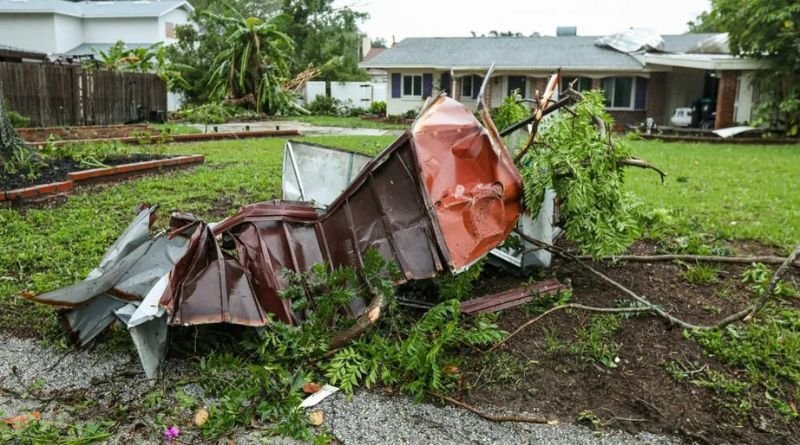
Managing debris is a critical task whether you’re cleaning up after a storm, renovating a property, or addressing routine clutter. Effective debris handling ensures not only a visually appealing environment but also a safer one for people and pets. If your project requires reliable solutions, you might consider professional debris hauling for efficient, compliant disposal.
Improper debris management may lead to hazards, wasted resources, and potential violations of local regulations. With a clear approach, you can simplify the entire process, ensure compliance with local guidelines, and make responsible decisions about sorting and disposing of various materials.
Beyond residential cleanup, businesses face unique challenges in handling waste from construction, landscaping, or annual clear-outs. When dealing with larger quantities or specialized materials, exploring dedicated commercial hauling services can improve efficiency, save time, and support sustainable practices in your community.
Being informed and proactive lets you manage debris safely and effectively, regardless of the project’s size. The strategies below will streamline your debris removal and protect your property and the environment. Understanding the necessary steps can significantly minimize stress and risk during cleanup efforts.
Assess the Debris
The first step is to evaluate the debris you need to remove. Identify the types of materials involved. Common categories include vegetation, wood, metals, plastics, and, occasionally, hazardous substances such as chemicals or asbestos. For larger-scale projects, commercial hauling services can help streamline the removal process by efficiently and safely handling bulk waste. Determining the volume and nature of the waste helps you select the most suitable disposal methods, plan logistics, and arrange for any specialized equipment or services required.
Develop a Removal Plan
Organize a concrete plan before starting the cleanup process. Map out the location of the debris, identify which items require immediate attention, and establish clear collection, transport, and disposal steps. This systematic method reduces the risk of overlooking hazards, prevents unnecessary material movement, and helps allocate resources efficiently. Creating a timeline can further streamline the removal and help coordinate any required personnel or service providers.
Prioritize Safety Measures
Safety should be your top priority when dealing with debris. Wear protective gloves, masks, eyewear, and sturdy boots to reduce the risk of injuries from sharp objects, dust, or potential contaminants. If heavy or unstable items are present, use proper lifting techniques and enlist help to avoid strains or accidents. Always be vigilant for structural instability in the area and mark off dangerous zones, if necessary, to keep others away during the process.
Utilize Appropriate Tools and Equipment
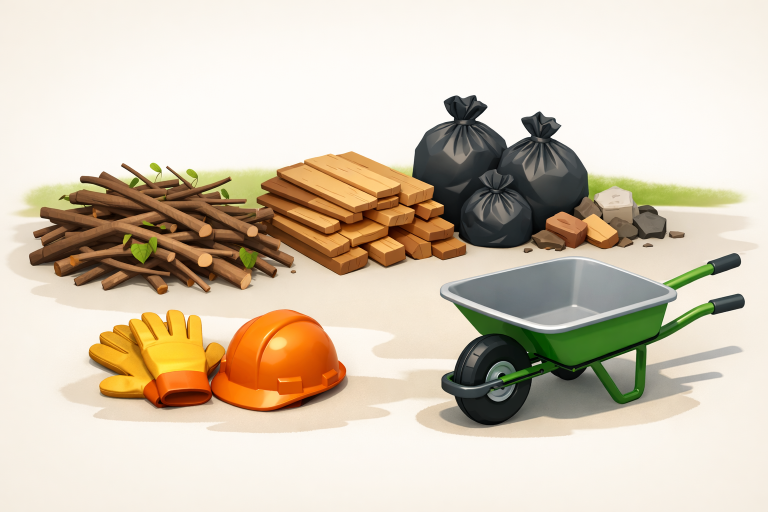
The right tools can make debris removal both safer and more efficient. Standard cleanup gear includes rakes, wheelbarrows, and heavy-duty trash bags. For larger jobs or storm aftermath, specialized tools like shredders, chainsaws, or skid steers may be necessary. Shredders, for example, are effective at processing large volumes of organic debris and are frequently used in disaster cleanup situations.
Separate and Sort Materials
Before disposal, sort debris into specific categories: recyclables (metal, glass, certain plastics), hazardous waste (paints, oils, chemicals), compostable material (leaves, branches), and general trash. This practice simplifies disposal and supports recycling programs. Many municipalities offer resources to help residents access recycling points or hazardous waste drop-off sites.
Dispose of Debris Responsibly
Follow your city or county’s rules for debris disposal, as improper dumping can result in fines and harm the environment. Most areas provide curbside collection after storms or designate local landfills and recycling centers for drop-off. If you are unsure where to dispose of your waste, contact your local government or refer to FEMA’s disaster recovery resources.
Consider Professional Assistance
Large-scale tasks or hazardous materials often require professional help. Licensed debris removal companies possess the expertise and equipment to process and dispose of waste safely, while adhering to regulations. Hiring professionals is especially recommended for situations involving toxic or bulky waste and can minimize liability risks for property owners.
Implement Preventive Measures
Once your cleanup is complete, take steps to limit debris build-up in the future. Regularly clear gutters, trim trees, and remove clutter from outdoor spaces to prevent accumulation. Securely store outdoor furniture, tools, and other loose items before predicted storms to reduce potential storm debris. Community programs and local landscaping services may offer seasonal pickup options to help you keep your property safe and tidy.
Final Thoughts
Efficient debris removal is about planning smartly, using appropriate tools, and disposing of materials responsibly. With the strategies above, you can make cleanup safer and more manageable while supporting environmental sustainability and community guidelines.