The weeds battle against your plant life for nutrients, space and light If you employ the proper methods, you can keep the unwanted guests out. Here’s how you can free the gardens from unwanted weeds
1. Know Your Enemy
Knowing the kind of weed that you’re facing is essential. The weeds that die annually like crabgrass, for instance, will disappear each year; however, they can spread seeds to the next year, while perennial weeds, like dandelions, can last for many years and grow back through their root systems after being snuffed out. Knowing which weeds you have helps you select the best method for controlling them.
2. Preventive Actions
The first step to protect to weeds lies in prevention
- Mulch: Spread a thick blanket of natural mulch like straw or wood chips which will help to stop the growth of weeds because it blocks sunlight.
- Landscape Fabric for a stronger solution, laying landscape fabric beneath mulch can be used to keep weeds from taking root.
- Pre-emergent Herbicides: These may be applied earlier in the growing season to deter the seeds of weeds from growing.
3. Regular Maintenance
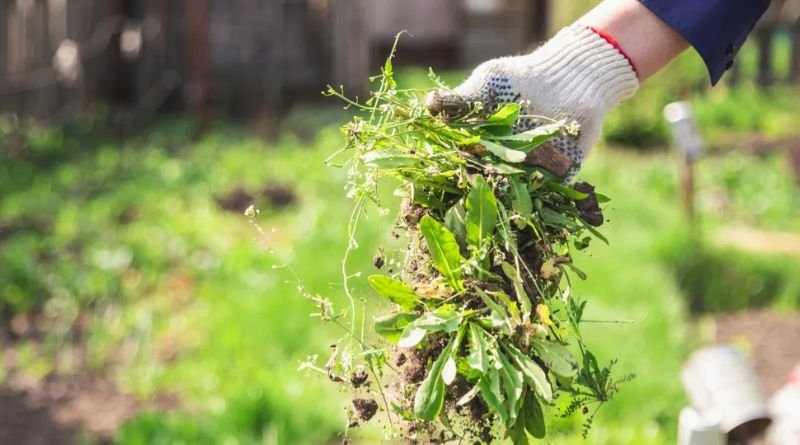
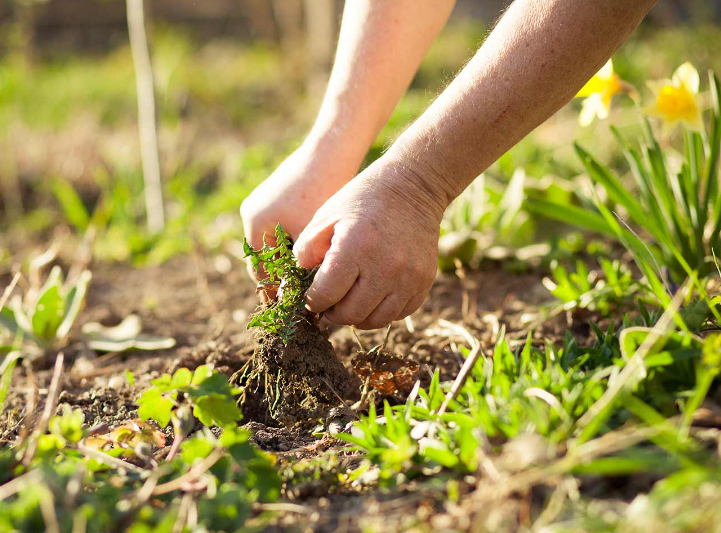
Keep an eye on your garden and inspect your garden for any new growing weeds. Hand-pulling weeds is a good option particularly after a rainfall in which the soil is damp and roots emerge more quickly. Make sure you get rid of all root systems to stop regrowth.
4. Culture with Care
In the case of cultivating or hoeing, it will help eliminate weeds however, do it with caution. In some cases, agitating the soil may bring dormant seedlings of weeds up to the surface and provide them the conditions needed to germinate. Only cultivate just the upper layer soil to prevent this.
5. Dense Planting
Garden plants that are planted close to each other could make the soil shaded, which can reduce the chance of weeds receiving the sun they require to develop. Planting ground cover or in blocks instead of rows will also reduce the amount of space that weeds have to grow.
6. Natural and Chemical Herbicides
When needed, herbicides may be used to control:
- Organic Herbicides: Vinegar boiling water or salt are all natural methods to eliminate weeds, however they may be harmful to your plants if applied incorrectly.
- Selective Herbicides: These are targeted at particular weed species but leave other plants unaffected.
- Non-selective Herbicides will kill nearly every plant they come into contact with and are recommended only as a last resort, and applied with a high degree of precision.
7. Help to promote a healthy soil
Healthy, fertile soil helps the growth of your plants, but makes it difficult for weeds to take on. Infrequently adding organic material to keep the soil’s pH level in balance and ensuring that you provide adequate fertilization of your garden will provide them with an advantage against the weeds.
8. Watering Techniques
Plants should be watered directly at the roots and avoid the overhead watering that can encourage weeds to grow and thrive. Soaker hoses or drip irrigation work best for this job.
If you employ the combination of these methods it is possible to significantly decrease the number of weeds you see on your property. Be sure to pay attention to the importance of persistence. Regular focus and quick intervention when weeds are detected will keep your garden in good shape and growing.
This post was written by a professional arborist at www.arborwisetreeservices.com. Robert Miller is the owner of Arbor Wise Professional Tree Care, a locally owned and operated tree service company that offers superb lawn care by the most experienced Arborists. Arborwise Tree Services is a tree removal company that offers stump removal, tree pruning, stump grinding, fertilization, and tree restoration. We have an extraordinary lawn care industry notoriety covering the Pinellas county area.