
Key Takeaways
- Selling as-is can reduce repair work, but it does not mean taking the first offer without comparing terms.
- For some Greensboro homes, modest cleanup and minor repairs are worthwhile. Large projects can add cost, risk, and delay.
- Compare estimated net proceeds, closing timeline, fees, contingencies, and personal stress before choosing a selling path.
- Taxes, title concerns, liens, estate paperwork, tenants, and disclosures can affect even a straightforward sale.
- A serious written offer should clearly state the price, closing date, inspection rights, costs, and each party’s responsibilities.
When a property needs work, has been inherited, sits vacant, or no longer fits the owner’s plans, selling as-is may be a practical option. Homeowners researching whether we buy houses for cash in Greensboro, NC, should still take time to understand how a direct sale compares with listing on the open market. Greensboro includes everything from established homes near Irving Park and Lindley Park to rental properties, newer subdivisions, and houses that have seen decades of deferred maintenance. An as-is sale means the seller is offering the property in its present condition. Still, it does not remove the need for honest communication, careful paperwork, or a clear written contract.
Why Some Greensboro Homeowners Sell As-Is
As-is sales often arise after an inheritance, relocation, divorce, tenant damage, financial strain, or a long period of postponed upkeep. A seller facing an aging roof, outdated systems, water damage, or a full house cleanout may decide that managing contractors is not the best use of time or money. The tradeoff is that a home needing substantial work may appeal to a smaller group of buyers and may receive lower offers than a renovated property.
How Local Conditions Can Shape the Decision
The best route depends on the neighborhood, price range, condition, and buyer demand at the time of sale. A well-kept house that only needs paint and landscaping may benefit from a conventional listing. A vacant home with major repair needs may be better suited to buyers prepared to handle renovations. Assessed value is not the same as a likely sale price. Guilford County explains that market value considers recent comparable sales, property characteristics, condition, and neighborhood factors. Owners who want to explore a direct-sale option can review the general approach at https://www.theturnerhometeam.com/ and gather additional offers or opinions to help them make a confident comparison.
Repair First, List As-Is, or Seek a Direct Offer?
- Repair and list: This can fit an owner with available funds, time, and a home likely to benefit from targeted improvements.
- List as-is: This provides broad exposure while making clear that the seller does not plan to complete major repairs.
- Request a direct offer: This may fit an owner who prioritizes fewer showings, a simpler process, or a more predictable closing schedule.
For example, replacing a roof before selling may make sense if reliable estimates show a meaningful benefit. If the project requires financing, delays the move, and exposes the owner to more holding costs, selling in its current condition may be the more sensible choice.
Which Repairs May Be Worth Doing?
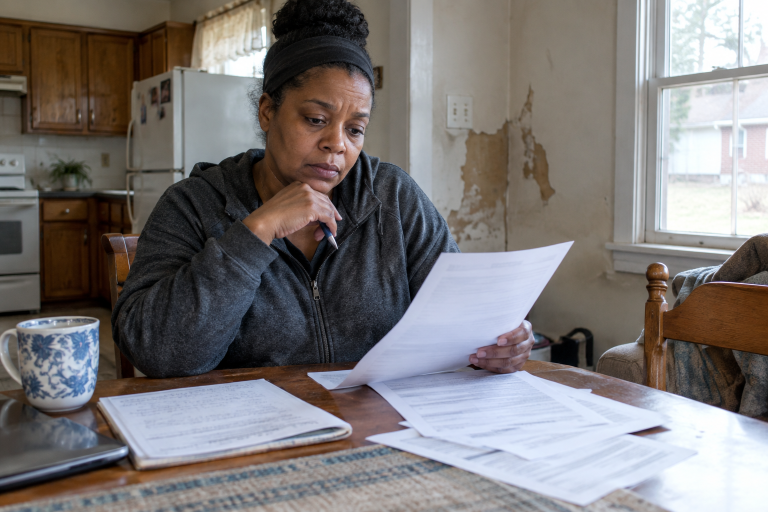
Separate health, safety, and active water problems from cosmetic updates. Removing clutter, improving lighting, trimming overgrowth, securing loose fixtures, and addressing a minor leak can make a home easier to evaluate without turning the sale into a renovation project. Before beginning major work, compare the expected sale price now, the possible price after repairs, and every related cost, including contractors, insurance, utilities, financing, and time.
Costs That Can Reduce Final Proceeds
A higher offer does not automatically produce more money at closing. Sellers should consider mortgage payoff amounts, property taxes, insurance, utilities, maintenance, cleanout expenses, moving costs, agent compensation if applicable, seller concessions, closing charges, and potential price reductions after inspection or appraisal. A $20,000 higher list outcome can lose its advantage if it requires $15,000 in repairs and several additional months of carrying costs.
Greensboro Taxes, Records, and Documents
Before accepting an offer, review the deed, recent mortgage statement, tax balance, insurance information, repair records, warranties, and any notices involving liens, code issues, judgments, or unpaid bills. Estate or trust documents may be essential for inherited property, while rental homes require lease details and tenant communication. Most sellers of one- to four-unit residential property should also understand the Residential Property and Owners’ Association Disclosure Statement, including the current questions regarding known property conditions and flooding.
Questions to Ask Any Buyer
- Can the buyer provide proof of funds or a lender preapproval?
- Is the buyer purchasing directly, or planning to assign the contract?
- Are inspection, financing, appraisal, or sale-of-another-home contingencies included?
- Who pays closing costs, title-related charges, and any requested concessions?
- Who will hold earnest money, and what happens if the buyer misses the closing date?
- May the seller have a North Carolina real estate attorney review the agreement before signing?
Red Flags That Deserve Extra Care
Be cautious when someone pressures you to sign immediately, does not explain fees, avoids providing proof of funds, promises a price not written into the contract, or asks for a deed transfer before payment is secured. Read every addendum and look for inspection periods, assignment language, cancellation rights, repair requests, and closing-cost provisions. A professional review can be especially valuable when title, probate, tenants, or multiple owners are involved.
A Simple Decision Checklist for Greensboro Sellers
- Set the preferred closing timeline and moving plan.
- Estimate current value and identify urgent repairs.
- Calculate monthly holding costs.
- Compare a repaired listing, an as-is listing, and direct written offers.
- Review the contract terms, not just the purchase price.
- Choose the option that best matches your financial, timing, and stress priorities.
Common Questions About As-Is Home Sales
Can a house in Greensboro be sold without repairs?
Yes. A seller can offer a property in its current condition, provided the agreement accurately reflects the arrangement and applicable disclosure and legal obligations are handled properly.
Does selling as-is mean a seller can hide problems?
No. “As-is” addresses repair responsibility. It does not justify false statements, misleading answers, or the concealment of known issues when disclosure duties apply.
Will an as-is sale always be faster?
Not necessarily. Skipping repairs can shorten preparation time, but title work, ownership records, buyer readiness, inspections, and contract contingencies can still affect the closing date.
Conclusion
Selling as-is is one option, not a requirement. Greensboro homeowners can make a stronger decision by comparing likely net proceeds, repair costs, holding expenses, buyer reliability, and contract terms. A deliberate comparison helps turn a potentially stressful sale into a more organized and informed next step. It is also worth considering the home’s condition, how quickly the property needs to sell, and how much time and effort the owner is willing to put into repairs or preparation. Reviewing multiple options and understanding the costs involved can make it easier to choose a selling approach that fits the property’s circumstances and the homeowner’s timeline.