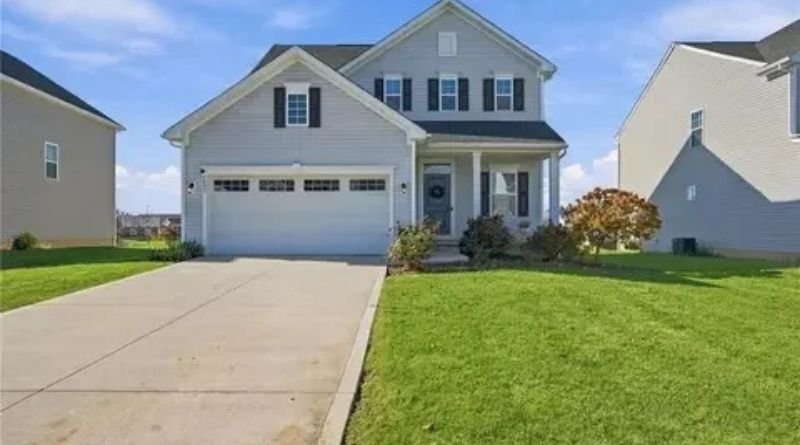
Life can make a quick home sale necessary. A new job, an inherited house, costly repairs, a vacant rental, or mortgage pressure can all change the timeline. For homeowners considering how to sell my property in Canton, OH, the goal should be more than speed. A sound sale also protects your equity, privacy, and ability to move forward.
Canton’s mix of established neighborhoods, older housing stock, and nearby employment centers means every property and seller situation is different. Whether the house is move-in ready or needs substantial work, taking a few careful steps before signing can prevent expensive surprises.
Why Canton Sellers May Need a Faster Sale
A faster sale can reduce the burden of maintaining an empty property, paying utilities, handling repairs, or coordinating a long-distance move. It may also help when a family is dividing an estate, resolving a divorce, or dealing with a rental property that no longer fits their plans. Still, urgency should not require accepting unclear terms or skipping title work.
The Main Ways to Sell a Canton Home
There is no single best selling route. A traditional listing can suit owners with time to clean, make repairs, host showings, and wait for a financed buyer. A direct sale may appeal to sellers who prefer fewer showings, a defined timeline, or an as-is transaction. A private sale can reduce marketing activity, but the seller must screen buyers and manage the paperwork carefully.
Homeowners with property elsewhere in Northeast Ohio may also compare options for those seeking to sell house fast in Cleveland, OH, especially when coordinating an estate, relocation, or portfolio sale across the region.
- Traditional listing: May expose the home to more buyers, but can involve preparation, inspections, financing conditions, and repeated showings.
- Direct cash sale: May offer a shorter and simpler process, though the seller should still evaluate the written terms and expected net proceeds.
- Private sale: Can work when buyer and seller already know each other, but contracts, disclosures, title review, and closing safeguards still matter.
- Short sale: May be an option when the mortgage payoff exceeds the likely sale proceeds, but lender approval is generally required.
Make a straightforward list of known issues involving the roof, foundation, plumbing, electrical system, water intrusion, or other major components. Remove personal papers and valuables, decide which belongings will remain, and identify a realistic move-out date. Organized records can make the review process smoother for a buyer and closing professional.
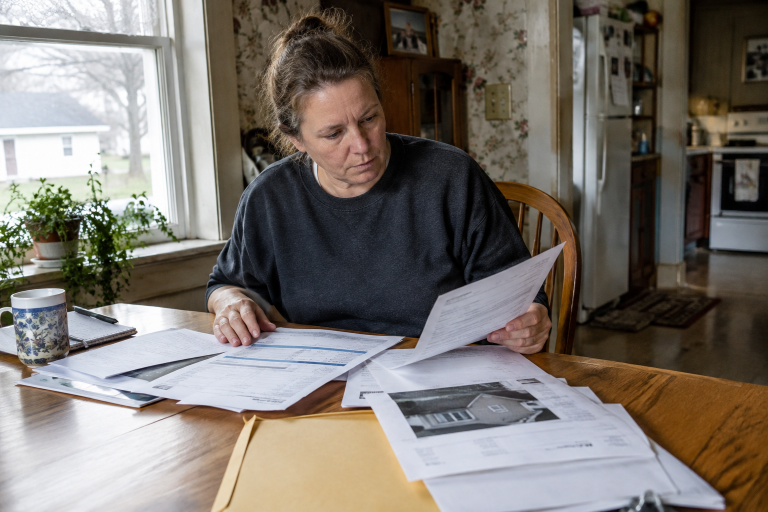
How Cash Offers Work
A cash offer generally means the buyer is not depending on a conventional mortgage loan to complete the purchase. The buyer reviews the home’s condition, location, ownership history, and potential repair needs, then gives the seller a written offer. If the seller accepts, a title company or attorney typically reviews ownership, liens, taxes, and documents needed for transfer.
Cash does not mean informal. A seller should still insist on a written contract, confirm the buyer’s ability to fund the purchase, and use a qualified closing professional. A quick timeline is useful only when the basic safeguards remain in place.
How to Compare Offers Beyond the Price
The highest offer is not always the offer that leaves the seller with the most money or certainty. Compare each proposal line by line:
- The purchase price and any earnest-money deposit.
- Inspection, appraisal, financing, or sale-of-another-home contingencies.
- Responsibility for title charges, repairs, taxes, and other closing expenses.
- Whether the buyer can assign the contract to another party.
- The closing date, possession date, and consequences of cancellation.
- Payoff amounts for mortgages, liens, taxes, or association balances.
A simple net-proceeds estimate starts with the purchase price, then subtracts loan payoffs, agreed seller costs, taxes or liens due at closing, and any moving or repair expenses. This calculation gives a clearer picture than the headline number alone.
Ohio Rules Canton Sellers Should Know
Ohio generally requires sellers of one-to-four-family residential property to provide a disclosure form, subject to statutory exceptions. The state’s residential property disclosure form addresses conditions actually known by the owner and is not a replacement for a buyer’s inspection.
Known material concerns can include water issues, structural conditions, roof problems, plumbing, electrical systems, environmental hazards, and other defects. Many homes built before 1978 also require federal lead-based paint disclosures. Probate, trusts, court orders, foreclosure, multiple heirs, and unclear title can create additional questions, so professional legal or title guidance is wise when ownership is complicated.
Warning Signs of a Risky Home-Sale Deal
Be cautious if someone demands upfront fees, tells you to stop speaking with your lender, asks you to transfer the deed before closing, or pressures you to sign documents you do not understand. The warning signs of foreclosure relief scams also include requests to send mortgage payments somewhere other than your lender or servicer.
Verify phone numbers independently, keep copies of every document, and confirm wiring instructions by calling a trusted title company or attorney using a known number.
What to Expect at Closing
Before closing, the title review checks for ownership issues, liens, judgments, and unpaid taxes. The closing professional prepares the settlement figures, and the seller reviews the deed, payoff information, and final charges. After documents are signed and required funds are received, existing obligations are paid from proceeds, the deed is recorded, and remaining funds are disbursed according to the settlement statement.
A Simple Seven-Step Selling Checklist
- Define your reason for selling and preferred timeline.
- Estimate value using more than one reliable source.
- Gather ownership, loan, tax, repair, and insurance records.
- Decide whether speed, price, privacy, or convenience matters most.
- Request written terms from every serious buyer.
- Compare estimated net proceeds, not just offer prices.
- Review the contract before signing.
Common Questions About Selling Quickly in Canton
Can I sell without making major repairs?
Possibly. Some buyers purchase homes in current condition, but sellers should still disclose known issues and consider whether the offer reasonably reflects the home’s condition and the convenience provided.
Is a cash offer always better?
No. A cash offer may reduce financing risk and shorten the timeline, while a traditional listing may attract more buyers. The best option depends on the property, timing, repair needs, and the seller’s financial goals.
What if the home has a mortgage or tax balance?
Request current payoff figures early. Those balances normally need to be addressed through the closing process, and the seller should know whether expected proceeds are sufficient.
Final Thoughts
A fast Canton home sale should still be a careful sale. Clear written terms, accurate disclosures, verified funds, proper title work, and a realistic net-proceeds review can help protect both your money and your peace of mind.