Key Takeaways
- Large-scale commercial painting projects require careful planning based on building function, traffic levels, and operational needs
- Surface material evaluation is essential to ensure proper adhesion, durability, and long-term coating performance
- Environmental factors such as humidity, UV exposure, and temperature changes significantly affect paint longevity
- Choosing the right paint type and finish impacts both durability and aesthetic outcomes
- High-durability coatings reduce maintenance costs and extend repainting cycles in commercial environments
- Compliance with environmental regulations, including low-VOC requirements, is increasingly important in modern projects
- Working with experienced commercial painting professionals improves project outcomes and long-term performance
Understanding Project Requirements
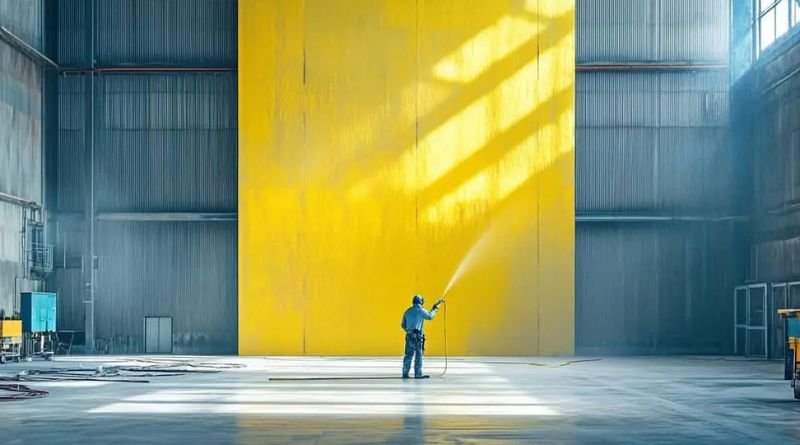
When embarking on a large-scale commercial painting project, it is vital to begin with a thorough evaluation of the project’s unique requirements. Building owners and facility managers need to consider the building’s function, the expected volume of daily activity, and the level of traffic the space will support. For example, a warehouse or distribution center will likely experience heavy mechanical wear and chemical exposure, requiring more resilient coatings than a retail space, which may prioritize appearance and cleanliness. Partnering with knowledgeable professionals, such as those at MB Coatings, can provide crucial guidance at this early stage, ensuring a solid foundation for your paint project.
The evaluation should also account for operational logistics, including projected downtime, scheduling restrictions, and the impact of painting activities on tenants or business operations. Early identification of these variables will streamline the process, reduce unexpected costs, and ensure your finished project aligns with expectations for durability and aesthetics.
Evaluating Surface Materials
The nature of the substrate significantly influences which paint system will offer optimal performance. Concrete, metal, and wood each have distinct characteristics and pose unique challenges in terms of adhesion, moisture resistance, and preparation. Proper surface assessment and preparation are crucial. For concrete walls and floors, issues such as moisture ingress, efflorescence, and surface pitting must be addressed before any coating is applied. Metal surfaces often require rust removal, priming, and the selection of corrosion-inhibitive coatings to prevent degradation. Wooden substrates need to be checked for moisture content and treated for any fungal or insect infestation before painting. Attention to these preparation steps will greatly extend the life of your paint system and prevent premature failures such as peeling, blistering, or cracking.
Considering Environmental Factors
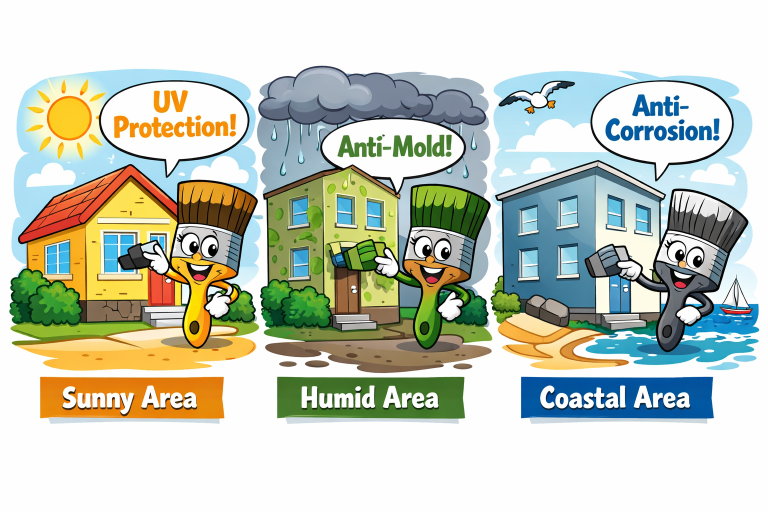
Environmental conditions must be carefully weighed in the decision-making process. Regional climate plays a significant role, as high humidity, wide temperature swings, and exposure to ultraviolet (UV) light all contribute to paint degradation. Coastal buildings may face challenges from saltwater corrosion, whereas facilities in arid regions are more susceptible to fading and cracking from intense sunlight and dry air. Matching the paint system to the environment is vital to prevent early wear and to support the health of the building’s envelope.
Opting for paints designed to resist specific environmental challenges, such as anti-mold, anti-corrosive, or UV-resistant formulations, provides much greater longevity and protection, reducing the frequency of maintenance and repainting.
Prioritizing Durability and Maintenance
In commercial settings where foot traffic, equipment use, and regular cleaning are the norm, long-lasting performance should be a top priority. Selecting high-grade, durable coatings that withstand abrasion, chemical exposure, and frequent cleaning cycles helps minimize ongoing maintenance costs. Some modern commercial paint systems are engineered for exceptional resistance to stains, scuffs, and scratches, enabling facility managers to maintain a professional appearance with less frequent repainting. This is especially beneficial in public-facing environments such as offices, retail stores, hotels, and hospitals.
For multi-story buildings or facilities with complex layouts, durability also translates to cost efficiency. Reducing the frequency of major painting projects helps save on labor, materials, and operational downtime over the structure’s lifespan.
Exploring Paint Types and Finishes
The commercial painting industry offers a variety of formulations and finishes, each suited to different conditions and needs. Water-based acrylics are commonly chosen for their quick drying times and low odor, making them ideal for occupied spaces. Oil-based enamels provide excellent durability and a smooth finish, but they may emit more fumes and require longer curing periods. Specialty coatings such as epoxy, polyurethane, or elastomeric paints offer enhanced protection for heavy-duty or outdoor areas.
The choice of finish, ranging from flat or matte to eggshell, satin, semi-gloss, or high-gloss, affects both aesthetics and performance. Flat finishes hide imperfections but are harder to clean, while glossy finishes offer wipe-clean convenience but will highlight any surface defects. Balancing performance needs with design vision is essential for achieving the best long-term outcome.
Ensuring Compliance with Regulations
Modern commercial paint systems must comply with evolving environmental regulations and building codes. Many municipalities restrict the use of high-VOC (volatile organic compound) paints due to their adverse health impacts and contribution to air pollution. Choosing low- or zero-VOC formulations supports healthier indoor air quality and demonstrates environmental responsibility, both increasingly valued by tenants and clients.
Consulting with Professionals
The complexities of selecting and applying paint systems in large-scale commercial settings often make it wise to partner with experienced commercial painting contractors. Industry professionals bring in-depth product knowledge and best practices to the table, balancing cost-effectiveness with the need for longevity, appearance, and regulatory adherence. Using industry expertise ensures that the chosen paint system not only meets the project’s immediate needs but also continues to perform in the years ahead.
Paint manufacturers and application experts can also offer tailored recommendations based on the latest technologies, helping you make better-informed decisions for your unique project challenges.
Final Thoughts
Choosing the right paint system for a large-scale commercial project is a multifaceted process. By carefully assessing the building’s requirements, substrate materials, environmental factors, durability needs, and regulatory considerations and by consulting with experienced industry professionals, you can achieve a resilient, attractive result that stands up to time and use. The right paint system is not merely a finishing touch but a foundational element in building longevity and cost-effectiveness.