Key Takeaways
- Identify the primary purpose of your fence to guide material and style choices.
- Consider factors such as maintenance, durability, and local regulations.
- Explore various materials, including wood, vinyl, metal, and composite, to determine the best fit for your property.
Installing a fence is a significant investment that enhances your property’s security, privacy, and aesthetic appeal. With numerous materials and styles available, selecting the perfect fence can be overwhelming. This guide will help you navigate the decision-making process to find a fence that suits your needs and complements your home. For professional assistance, consider consulting the Top Fence Company in OKC, Fence Concepts & Construction. Founded by Mike Lee, whose engineering background brings a structural and performance-focused approach to every project, their team is built around precision, durability, and accountability. They serve Oklahoma City and the surrounding areas, offering expert residential and commercial fencing solutions.
Determine Your Fence’s Purpose
Before selecting a fence, clarify its primary function. Common purposes include:
- Privacy: To create a secluded space away from neighbors or busy streets.
- Security: To protect your property from intruders and keep children or pets safe.
- Aesthetics: To enhance your home’s curb appeal and define property boundaries.
- Noise Reduction: To minimize external sounds from traffic or neighbors.
Understanding your main goal will help narrow down suitable materials and designs.
Evaluate Fence Materials
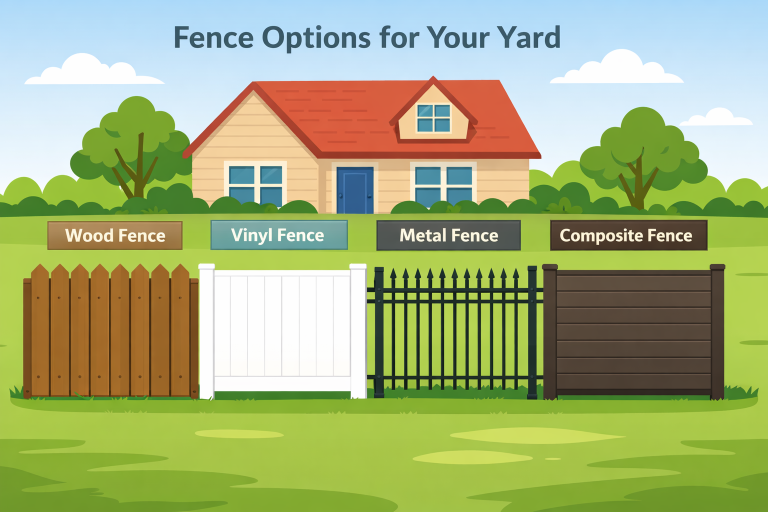
Each fencing material offers unique benefits and considerations:
Wood
Wood fences provide a classic look and can be customized with paint or stain. However, they require regular maintenance to prevent rot and insect damage.
Vinyl
Vinyl fencing is low-maintenance and pest- and decay-resistant. While it can be more expensive upfront, its durability often offsets the initial cost.
Metal
Options like aluminum and wrought iron offer strength and security. They can be designed with decorative elements, but may require rust protection over time.
Composite
Made from a blend of wood fibers and plastic, composite fences mimic the appearance of wood with less maintenance. They are resistant to rot and insects, but can be pricier.
Consider Maintenance and Durability
Assess the long-term maintenance requirements for each material. For instance, wood may need annual staining or sealing, while vinyl and composite materials typically only require occasional cleaning. Choosing a material that aligns with your maintenance preferences will ensure your fence remains in good condition for years.
Understand Local Regulations
Before installation, check local zoning laws and homeowners’ association (HOA) guidelines. Regulations may dictate fence height (m). In contrast,s, and placement. Ensuring compliance can prevent costly modifications later.
Set a Budget
Determine your budget early in the process. Remember to factor in not only the initial installation costs but also long-term maintenance expenses. Sometimes, investing more upfront in a durable, low-maintenance material can save money over time.
Consult Professionals
Engaging with fencing professionals can provide valuable insights tailored to your property. They can recommend materials and designs that suit your needs and ensure proper installation.
Explore Fence Styles and Designs
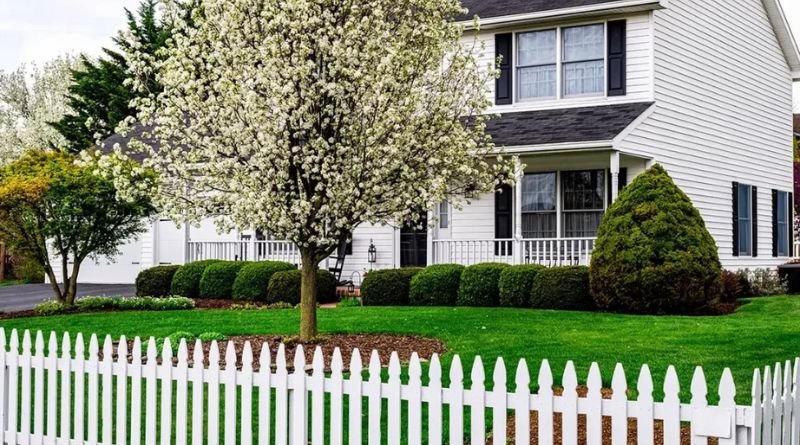
Once you have decided on a material, the next step is to explore available styles and designs. For example, privacy fences tend to use solid panels with minimal gaps, while decorative picket fences or split-rail designs offer an open, classic appearance suitable for gardens and front yards. Ornamental metal fences often feature intricate scrollwork or spear-topped pickets for an elegant yet secure look. Consider how the fence style will blend with your home’s architecture, landscaping, and neighborhood aesthetic.
Additionally, some materials offer a wide range of color and texture options, while others may be more limited. Vinyl and composite fencing, for instance, can be manufactured in a variety of hues and finishes to coordinate with your home, while traditional wood allows for custom stains and paints. Evaluate samples in person when possible to ensure the color and texture align with your vision.
Account for Your Climate and Environment
Local climate and environment can greatly impact your choice of fencing. In areas prone to heavy rainfall, humidity, or temperature fluctuations, moisture-resistant materials such as vinyl or composite materials can be especially advantageous. Metal fences may require powder coating to prevent corrosion in coastal regions, where salt air accelerates rust. Meanwhile, pressure-treated and naturally rot-resistant woods, like cedar or redwood, are better suited to environments with moderate to dry conditions.
If you live in an area with strong winds or heavy snow, consider fence designs and post-installation techniques that maximize wind resistance and prevent collapse. Professional fence contractors can help determine appropriate spacing, anchoring methods, and material reinforcement needed for your location.
Think Long-Term: Warranties and Resale Value
Many fencing manufacturers offer warranties that can provide peace of mind regarding your investment. Warranties often cover defects in materials and artistry, but not damage caused by neglect or improper installation. Always read the fine print and use qualified, licensed installers to avoid voiding coverage. If you plan to sell your home in the future, a high-quality, attractive fence adds curb appeal, security, and value, making your property more appealing to prospective buyers.
Plan for Gates and Other Features
Don’t forget to include gates, arbors, or other functional elements when planning your fence installation. Gate placement should provide easy access where you need it most, whether that’s a wide gate for vehicles or a narrow one for garden access. Choose hardware that matches your fence style and ensure locks and latches meet your required security level. Consider integrated features such as decorative post caps, lighting, or landscaping borders further to enhance both the appearance and usability of your fence.
Choose the Right Fence Height and Layout
The height and layout of your fence play important roles in functionality and privacy. In backyards, six-foot-tall fencing is common for privacy, whereas front-yard fences might range from three to four feet tall for a more welcoming appearance. If your property is on a sloped terrain, consider stepped or racked fence panels to maintain a consistent look and effective boundary without leaving unsightly gaps underneath. Strategic planning of fence and gate placement can also optimize traffic flow on your property and minimize costs by efficiently following property lines. Be sure to mark underground utilities before you or your contractor digs post holes, as this can prevent accidents and additional expenses.
Sustainable and Eco-Friendly Fencing Options
If environmental impact is a concern, you can opt for fencing made from sustainable materials. Bamboo, for instance, is a rapidly renewable resource that offers a unique aesthetic and reasonable durability. Recycled-content composites and steel made from recycled metal are also eco-friendly choices. Additionally, consider how the production, transportation, and lifespan of your chosen fencing material contribute to its overall environmental footprint. A longer-lasting fence made from recycled or renewable materials often has a positive impact on sustainability.
Neighborhood Considerations and Good Neighbor Fencing
Communication with your neighbors, especially when building on or near a property line, is key to maintaining good relationships. Good neighbor fences, where both sides look the same, are an excellent way to share costs and maintain visual appeal for both parties. Discuss your plans with adjacent property owners early in the process and, if possible, consider their preferences. Being considerate can help avoid disputes and may even lead to cost-saving collaborations.
Accessibility and Safety Features
For households with children, elderly family members, or people with disabilities, consider how fence and gate designs can accommodate safety and accessibility concerns. Self-closing and self-latching gates, smooth-surfaced materials to prevent splinters or scrapes, and wide entry points help ensure everyone’s safety and comfort. If your fence encloses a pool, adhere to specific safety codes, which often require higher fencing, self-closing gates, and limited spacing between pickets to increase security and prevent accidents.
Customizing with Accents and Landscaping
Personalize your fence and boost curb appeal with custom accents like lattice tops, decorative inserts, or integrated lighting. Pairing your fence with complementary landscaping, like hedges, climbing vines, or perennial borders, can soften large expanses and add year-round interest. Plant selection should account for fence type, sunlight exposure, and maintenance requirements to create a harmonious and attractive boundary. Where privacy or screening is a concern, fast-growing evergreens or trellised plants can enhance seclusion alongside your chosen enclosure.
Final Thoughts
Choosing the right fence involves balancing functionality, aesthetics, budget, and maintenance considerations. By clearly defining your needs and researching available options, you can select a fence that enhances your property’s value and enjoyment for years to come. Taking the time to plan your fence thoroughly, consult local professionals, and consider all the relevant factors will help ensure your investment stands the test of time while meeting your family’s needs and lifestyle goals.