Buying a home in Chanhassen, Minnesota, often means choosing between two appealing paths: a newly built home with current finishes and systems, or an established property with mature surroundings and a lived-in neighborhood rhythm. Neither choice is automatically better. The right fit depends on budget, timing, maintenance expectations, daily travel patterns, and the way a buyer wants to live over the next several years.
For buyers weighing those tradeoffs, a local perspective can help turn a broad comparison into a property-specific decision. Chanhassen real estate agent Steve Pemberton leads Steve Pemberton Realty Group, a Minnesota real estate team serving Chanhassen, Chaska, Victoria, Excelsior, and other Twin Cities communities. The group’s website offers resources for home search, valuation, buying, and selling. At the same time, Steve Pemberton’s background as a former real estate appraiser and experienced residential professional can be useful when comparing condition, pricing, contracts, and long-term value.
What Is Changing In Chanhassen?
Growth and planning matter because a home purchase includes the neighborhood beyond the front door. In a 2025 housing discussion, the City of Chanhassen reported an average of 136 new housing units per year, including detached homes, townhomes, and multifamily housing. The same discussion noted a limited supply of platted lots available for construction, which can shape interest in future development.
The city is also developing Chanhassen’s 2050 Comprehensive Plan, a long-range framework for decisions involving housing, parks, trails, roads, infrastructure, natural resources, and future land use. Before committing to a particular lot or neighborhood, buyers should review the city’s current information on nearby proposals, road work, park improvements, and future development phases.
Why Buyers Choose New Construction
New construction can be especially attractive to buyers who value a modern layout, new mechanical systems, contemporary insulation and energy features, and fewer immediate replacement projects. Depending on the builder and stage of construction, buyers may be able to choose cabinets, flooring, lighting, appliances, finishes, or even a preferred lot position.
A builder’s warranty can provide another measure of reassurance, but it should be read closely. Coverage periods, exclusions, reporting deadlines, and repair procedures vary. A new home can still have incomplete punch-list work, drainage issues, construction defects, unfinished landscaping, or a delayed completion date. New does not mean inspection-free.
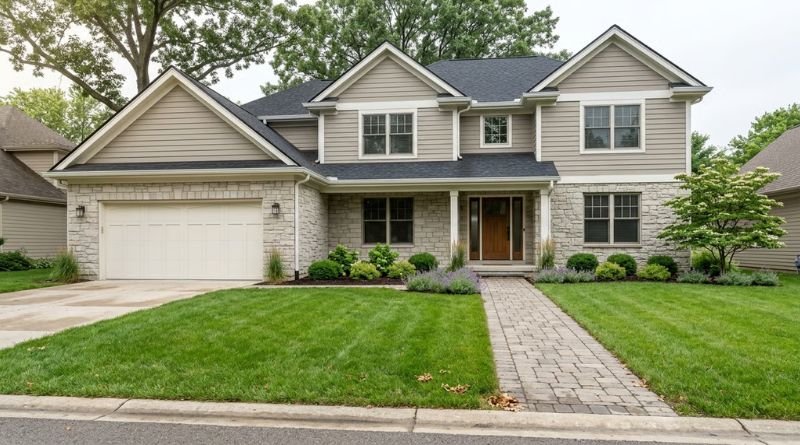
Photorealistic golden-hour view of a Chanhassen residential street showing a newly built home beside an established home with mature trees and landscaping, warm directional sunlight, soft shadows, and a welcoming atmospheric mood.
Questions To Ask Before Signing A Builder Contract
- What is included in the base price, and what costs extra?
- Are structural changes, design selections, lot premiums, appliances, landscaping, and window treatments included?
- What is the projected completion date, and how does the contract address delays?
- Will there be association dues, architectural rules, or planned shared amenities?
- How might future construction phases affect traffic, views, noise, or privacy?
- Can independent inspections be scheduled during construction and before closing?
Why Buyers Choose Established Chanhassen Neighborhoods
Established neighborhoods offer benefits that take time to develop: mature trees, completed streets, finished landscaping, and a clearer sense of how the area functions day-to-day. Buyers can visit at different times to observe traffic, nearby activity, parking, walkability, and the condition of surrounding homes.
Older homes may also offer larger lots, distinctive floor plans, renovation potential, and architectural details that are difficult to replicate in newer developments. A resale home generally lets a buyer see the completed property before making a final decision, which can make move-in timing more predictable than a home still under construction.
Maintenance And Inspection Priorities For Established Homes
Age alone does not make a home a poor purchase. The key is understanding its condition and assigning realistic costs to deferred maintenance. Pay close attention to the roof, windows, foundation, drainage, electrical panel, plumbing, insulation, heating and cooling equipment, and evidence of water intrusion. Ask for permits or records when major additions or remodeling work is complete.
An independent inspection helps a buyer identify physical-condition concerns early enough to make informed decisions. The Consumer Financial Protection Bureau’s home inspection guidance explains that an inspection and an appraisal serve different purposes. An inspection evaluates condition, while an appraisal provides an opinion of value for the lending process.
Side-By-Side: Which Type Of Home May Fit Best?
- Low immediate maintenance: New construction may be a better fit because major systems and finishes are new.
- Mature landscaping and settled surroundings: An established neighborhood may offer a clearer picture of the finished environment.
- Personalized finishes: New construction may provide selection opportunities, subject to the builder’s timeline and packages.
- Distinctive character: Established homes often have more varied layouts, details, and renovation history.
- Predictable move-in timing: A completed resale home is easier to evaluate because the buyer can see the finished property before closing.
- More certainty about nearby development: A developed neighborhood may make it easier to assess existing streets, homes, and traffic patterns.
Compare Total Cost, Not Just The List Price
The advertised price is only one part of the decision. For either option, buyers should budget for property taxes, homeowners’ insurance, utilities, association dues when applicable, closing costs, and moving expenses. Written estimates are more useful than broad assumptions.
With new construction, add upgrades, lot premiums, appliances not included by the builder, landscaping, fencing, window coverings, and possible temporary housing if completion is delayed. With an established home, build a near-term plan for repairs or replacements identified during inspection. A lower purchase price can lose its advantage if major work is due soon after closing.
Location Can Matter More Than A Home’s Age
A slightly older home near a buyer’s preferred park, trail, school route, workplace connection, shopping area, or family network may be more practical than a newer home farther from daily needs. Visit prospective properties in the morning, evening, and on weekends when possible. Look beyond the house at drainage patterns, road noise, traffic flow, neighboring uses, and the route to frequently visited destinations.
A Simple Decision Process
- Define the lifestyle goal. Rank convenience, space, character, customization, and maintenance needs.
- Set a complete budget. Include ownership costs beyond the purchase price.
- Tour both property types. Compare new homes and established homes in person.
- Read the documents. Review contracts, disclosures, warranties, association rules, and inspection reports.
- Study the surroundings. Consider current conditions and planned changes nearby.
- Think about resale. Consider how another buyer may view the location, layout, condition, and neighborhood in five or ten years.
Conclusion: Choose The Home That Supports Daily Life
New construction and established neighborhoods can both be strong choices in Chanhassen. The best decision comes from comparing the complete picture: total cost, maintenance needs, location, move-in timing, neighborhood character, and plans. A buyer who looks beyond the list price and the home’s age is better positioned to choose a property that works now and remains practical for the next chapter.