Key Takeaways
- Adopting eco-friendly roof care practices helps protect your home’s structure and the environment.
- Natural solutions and sustainable materials are effective substitutes for chemical-based roof cleaners.
- Routine care and preventative measures are essential for extending your roof’s lifespan and reducing future repairs.
Maintaining a clean, well-maintained roof is crucial to extending the life of your home and preserving the surrounding environment. Over time, roofs become breeding grounds for algae, moss, and debris, which can compromise structural integrity and detract from curb appeal. Many conventional roof cleaning techniques rely on harsh chemicals, which may harm plants, wildlife, and even your family’s health. Fortunately, modern homeowners have access to sustainable alternatives. If you’re interested in learning more about safe, effective roof cleaning, you can explore local solutions that align with eco-friendly values.
Not only do ecologically responsible methods protect your home, but they also reduce environmental impact, making them a prudent choice for conscientious families. Many of these methods use common household ingredients or specialized green products. By integrating these tactics into your routine, you can support both your property’s well-being and your surrounding ecosystem.
For a comprehensive approach to exterior care that includes roofs, walls, and driveways, some homeowners use pressure washing as part of their seasonal maintenance. However, it is essential to use this technique properly to avoid accelerating wear on your roof materials, especially with softer surfaces like shingles.
Understanding the Importance of Eco-Friendly Roof Maintenance
Traditional roof-cleaning products often contain ingredients such as bleach or ammonia, which can leach into soil and waterways, disrupting local plant and animal life. Eco-friendly cleaning alternatives seek to reduce or eliminate toxic runoff and preserve the natural balance around your home. According to the U.S. Environmental Protection Agency, green maintenance practices can also decrease your home’s energy consumption by keeping surfaces reflective and free from heat-absorbing moss or algae. The shift to more sustainable roof care offers a practical, impactful way to contribute to healthier communities while maintaining the value of your biggest investment.
Natural Cleaning Solutions for Roofs
Several non-toxic solutions can clear away organic growth and maintain your roof’s appearance without introducing dangerous chemicals. Two of the most effective are:
- Vinegar Solution: Mix equal parts white vinegar and water, then apply to areas affected by algae or mildew. Allow it to sit for about 20 minutes. The mild acidity of vinegar helps dissolve build-up, which can then be gently rinsed away.
- Baking Soda Paste: Sprinkle baking soda directly onto moss, or make a paste with water for spot cleaning. Baking soda’s alkalinity interrupts moss growth and neutralizes acidic deposits, reducing the risk of corrosion for roofing materials.
Environmental experts widely recommend these homemade options because they break down readily and do not put unwanted chemicals into the ground or water table.
Manual Debris Removal
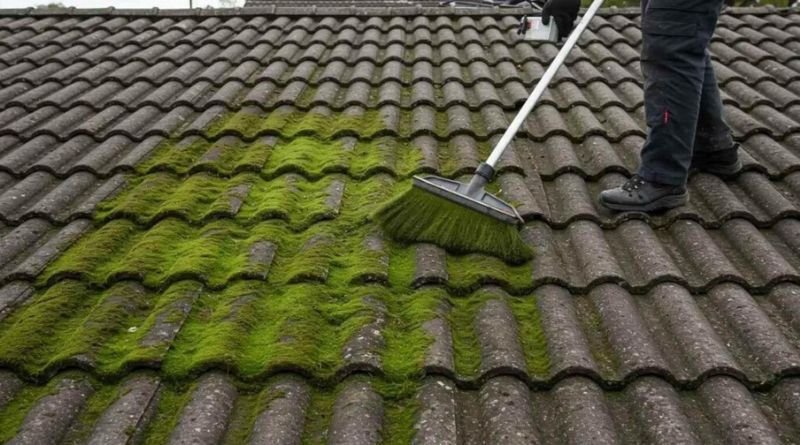
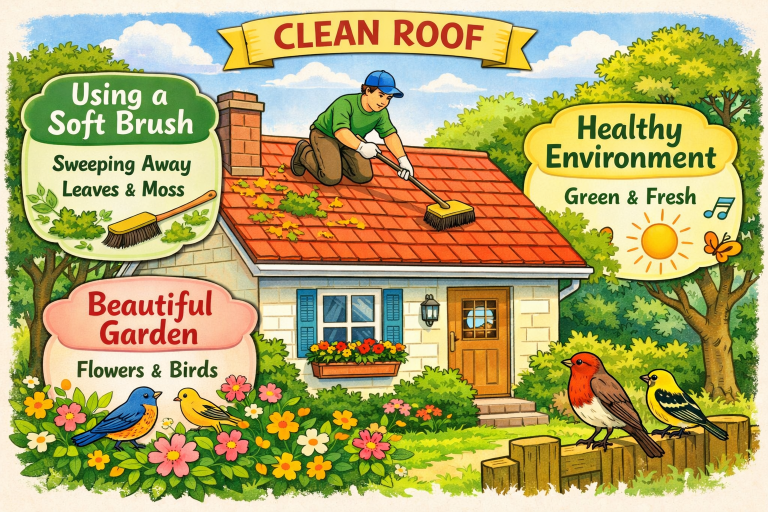
Routine removal of leaves, branches, and moss from your roof reduces the risk of water damage, slows the growth of invasive organisms, and minimizes the risk of gutter blockages. Use tools with soft bristles or a roof rake designed for residential use. Aggressive methods, such as metal scrapers or pressure washers, on sensitive surfaces may cause more harm than good by loosening protective shingle granules or allowing water to seep beneath the shingles.
Manual cleaning is also less likely to damage shingles or create weak spots, ensuring your home remains well protected during harsh weather.
Preventative Measures to Reduce Growth
Prevention is an important part of any roof maintenance plan. One of the best ways to minimize algae and moss is by installing zinc or copper strips along the ridgeline. When rainwater flows over these metals, trace elements wash down the roof, creating an environment that discourages unwanted growth. These form an invisible shield that remains effective for years without releasing toxins into your landscape or water supply. Keeping trees trimmed back from your roof also improves airflow and sunlight exposure, which naturally reduces moisture and the chance of organic growth.
Eco-Friendly Commercial Products
Several brands now offer biodegradable, non-toxic roof-cleaning solutions that effectively tackle stains and organisms while remaining gentle on the environment. Look for certifications such as EPA Safer Choice or Green Seal to ensure the products genuinely meet rigorous environmental standards. These options are ideal for homes with gardens, children, or pets, since they break down naturally after rinsing. When in doubt, consult the labels and manufacturer recommendations to ensure compatibility with your specific roofing material.
Professional Eco-Friendly Roof Cleaning Services
If you prefer the expertise of professionals, many roof-cleaning companies now offer eco-friendly service options. When comparing services, ask about the methods and substances used to guarantee they align with your sustainability goals. Reputable providers will offer detailed explanations and evidence of eco-safe products in their cleaning regimens. In addition, expert cleaners can help identify minor issues like loose shingles or clogged gutters, which are easier and less costly to fix early. For more information about what to expect from green service providers, you can consult guidance from HGTV.
Conclusion
Eco-friendly roof care is a practical and responsible approach to maintaining your home. By selecting natural cleansers, practicing regular debris control, and seeking professional eco-conscious help as needed, you can protect both your investment and the planet. These strategies, when used together, will ensure your roof remains clean, healthy, and resilient through every season, all while making a positive environmental impact.