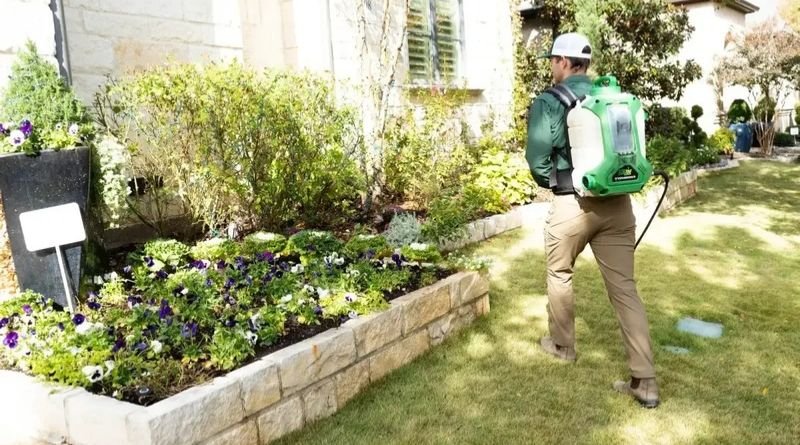
Texas homeowners experience a wide range of weather conditions, from humid Gulf Coast rainstorms to dry Central Texas heat and fast-moving North Texas cold fronts. Those shifts can change where pests find water, food, shade, and shelter. When recurring activity becomes difficult to manage, homeowners can see their services for help addressing pest concerns around Texas homes.
Weather does not automatically cause an infestation, but it can make existing entry points and moisture issues more noticeable. A seasonal routine that combines inspection, cleaning, moisture control, and exclusion helps reduce the conditions that attract insects and rodents indoors.
Why Weather Changes Pest Activity
Pests respond to basic survival needs. Temperature affects activity, while rainfall, humidity, irrigation, and plumbing leaks can create moisture sources. Food left in pet bowls, trash bins, pantries, or outdoor dining areas can also draw pests closer to a structure. Heat may push pests toward shaded landscaping, garages, and cooler indoor spaces. Heavy rain can saturate soil, disrupt outdoor harborage, and drive insects to seek protected areas.
Spring: Rising Activity Around Homes
Spring warmth and rainfall often bring more visible insect activity around Texas homes. Homeowners may notice ants near kitchens and patios, flying insects around lights or windows, spiders in sheltered corners, and mosquitoes near pooled water. This is a useful time to inspect the exterior before summer conditions intensify.
Spring Maintenance Steps
- Clean the gutters and make sure the downspouts direct water away from the foundation.
- Repair torn window screens and replace worn door sweeps.
- Trim shrubs and branches so they do not rest against siding, windows, or roof edges.
- Remove leaf piles, cardboard, and yard debris stored against exterior walls.
- Check garages, crawl spaces, and utility areas for dampness or leaks.
Summer: Heat, Moisture, and Indoor Movement
Long Texas summers can make cool, shaded, and damp areas especially attractive. Check beneath sinks, around water heaters, near air-conditioning lines, and at outdoor faucets for leaks. Keep pantry goods, pet food, and birdseed in sealed containers, and clean residue from outdoor grills, tables, and trash cans. Clutter in garages, sheds, attics, and storage rooms can also create hidden areas that are harder to inspect.
Standing Water and Mosquitoes
After a storm or irrigation cycle, look for water in flowerpot saucers, toys, buckets, tires, tarps, birdbaths, and pool covers. The CDC recommends that households regularly empty, scrub, turn over, cover, or throw out items that hold water. Repairing screens and keeping doors closed can also limit mosquito entry.
Fall: Why Pests Look for Shelter
Fall is an important inspection season because changing temperatures can lead pests to seek more stable shelter. Check gaps beneath exterior doors, damaged weatherstripping, cracks around pipes and cables, attic vents, and roofline openings. Store firewood and spare building materials away from the home, and watch for droppings, gnaw marks, shed skins, discarded wings, or unexplained sounds in walls and ceilings.
Winter: Indoor Pest Risks Do Not Disappear
Climate-controlled Texas homes can remain suitable for pests even when outdoor temperatures fall. Rodents may look for food, nesting material, and protected spaces. Cockroaches and pantry pests can remain active indoors, while spiders may follow the insects that supply their food. Focus winter inspections on attics, crawl spaces, pantries, garages, boxes stored on floors, and areas behind appliances.
How Pest Patterns Differ Across Texas
Texas is not one pest environment. East and Southeast Texas properties often contend with humidity, frequent rain, and drainage concerns. North Texas homeowners may need to respond to heat, storms, and abrupt temperature changes. Central Texas homes can have rocky ground, wooded lots, dry periods, and heavily watered landscaping. South Texas has extended warm conditions that can support outdoor pest activity for much of the year.
A practical response is integrated pest management, which emphasizes prevention, monitoring, sanitation, exclusion, and carefully selected treatments. Texas homeowners can use integrated pest management principles for household pests to focus on correcting the conditions that allow pests to enter or remain near a home.
A Seasonal Pest Prevention Checklist
- Walk around the property after major rain, heat, or cold-weather events.
- Look for standing water, clogged drainage areas, damp soil, and plumbing leaks.
- Seal gaps around windows, doors, vents, pipes, and utility lines.
- Keep vegetation from touching the house.
- Store food and animal feed in tight containers.
- Reduce clutter and keep firewood or debris away from the foundation.
- Note where pests appear and the weather conditions at the time.
Safe Pest Control and Product Use
Identify the pest before choosing a treatment. Always follow the product label, keep children and pets away from treatment areas, and never mix products unless the label specifically allows it. Outdoor products should not be used indoors unless their label permits indoor use. Addressing moisture, food sources, and entry points is often more durable than relying solely on repeated sprays.
When to Ask for Professional Help
One occasional insect does not necessarily mean a serious problem. Repeated activity, however, deserves attention. Consider professional help when pests appear in multiple rooms, rodent droppings or gnaw marks are visible, moisture problems persist, stinging insects nest near living areas, or signs of possible wood damage appear. Early action can make a seasonal issue easier to control before it becomes a larger home maintenance concern.