Lingering odors can make an otherwise clean Charlotte home feel uncomfortable. Whether the smell appears after a summer storm, a busy week of cooking, or a pet accident, the most effective solution is to identify the source rather than masking it with fragrance.
For stubborn odors that do not respond to normal cleaning, professional odor removal in Charlotte can help locate contamination hidden in carpets, walls, HVAC systems, or other hard-to-reach spaces. The goal is to remove the odor source, not simply make the room smell different for a few hours.
Charlotte’s warm weather and high humidity may make trapped smells more noticeable. Humidity does not create every odor, but it can make damp materials, old smoke residue, and pet-contaminated carpet smell stronger.
A clean-looking room can still hold odor-producing residue. Food grease may collect on cabinets and range hood filters, while moisture can remain below the flooring or behind furniture. A careful inspection is more useful than treating the entire room with sprays.
Homeowners in nearby communities may also seek odor removal in Matthews when a smell keeps returning after cleaning. Repeated odors often point to a hidden source that needs more than surface treatment.
Why Household Odors Linger
Odor sprays, candles, and plug-ins may mask a smell, but they do not remove the source of the odor. Smoke particles, pet urine, spoiled food, grease, mildew, and other organic residue can settle into surfaces. Carpet padding, upholstery foam, unfinished wood, drywall, and insulation can act as odor reservoirs. When conditions change, especially with heat or humidity, the smell may return. Odor alone also cannot confirm whether indoor air is safe, so strong or unusual smells should be investigated.
How To Find the Source
- Close interior doors and check rooms one at a time.
- Walk slowly toward the area where the odor becomes stronger.
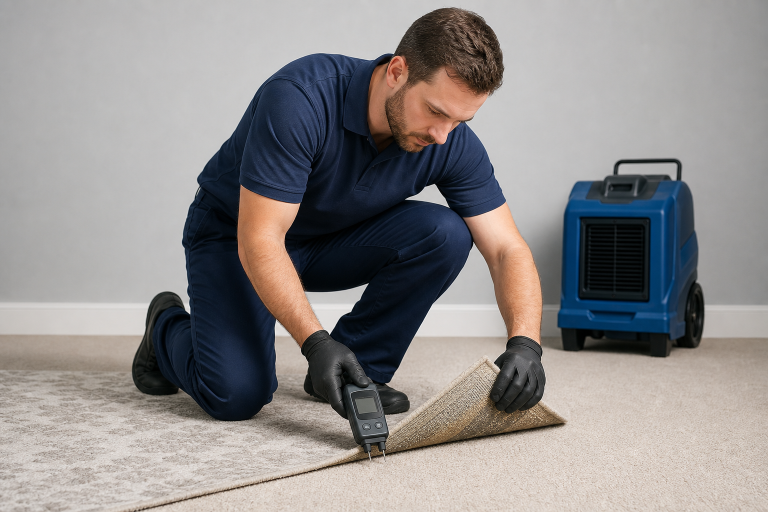
- Inspect beneath rugs, furniture, appliances, and stored belongings.
- Check drains, vents, closets, baseboards, utility rooms, and crawl-space access points.
- Look for dampness, water stains, grease buildup, pet activity, or evidence of pests.
- Note when the smell appears, such as after rain or when the HVAC system is running.
Common Odors and Their Likely Causes
Musty or Earthy Smells
Musty odors often signal a moisture issue. Look for plumbing leaks, condensation, wet carpet, poor bathroom airflow, or damp drywall. Cleaning the smell without correcting the water source usually leads to another odor problem later.
Pet and Ammonia-Like Smells
Pet urine can move through carpet fibers into the padding and sometimes the subfloor. Use a cleaner made for biological residue and follow its directions. If the affected area is large or the smell returns, deeper cleaning or material replacement may be needed.
Smoke, Cooking, and Grease Odors
Smoke can settle on walls, ceilings, fabrics, and HVAC filters. Cooking odors often collect in range hood filters, curtains, cabinets, and nearby upholstery. Wash washable fabrics, clean grease from hard surfaces, and replace dirty filters as directed by the manufacturer.
Sour, Rotten, or Sewer-Like Smells
These odors may come from trash, spoiled food, a dirty drain, plumbing trouble, or hidden organic material. Leave the area and contact the appropriate emergency or utility service if you suspect natural gas, burning wiring, or another immediate hazard.
A Step-By-Step Removal Plan
- Remove the source. Discard spoiled items, address pet accidents, and remove wet materials.
- Ventilate the space. Open windows when outdoor conditions allow, and use kitchen or bathroom exhaust fans that vent outside.
- Clean affected surfaces. Match the cleaning product to the material and residue.
- Wash or treat fabrics. Follow care labels for bedding, curtains, rugs, and upholstery.
- Dry the area completely. Damp materials can create new odors and support mold growth.
- Recheck later. A returning odor may mean residue remains below the visible surface.
Porous Materials and Trapped Smells
Porous materials absorb liquids and airborne residue more easily than sealed surfaces. That is why wiping a wall or shampooing the top of a carpet may offer mere temporary relief. Heat and humidity can release trapped odor compounds from carpet, foam cushions, mattresses, drywall, or unfinished wood. Depending on the source and extent of damage, deep cleaning, sealing after proper cleaning, or replacement may be the better choice.
Ventilation, Air Cleaning, and Moisture
Ventilation can reduce some airborne pollutants, but it cannot clean contaminated padding or repair a leak. The difference between particle and gas filters matters when choosing an air cleaner. HEPA filters are meant to capture particles, while activated carbon can help reduce certain gases and odors. Neither type replaces source control and cleaning. Avoid ozone-producing devices in occupied areas.
Musty smells deserve special attention because moisture is the key condition behind mold growth. Keep indoor humidity in a comfortable range, use exhaust fans during showers and cooking, and dry wet materials promptly. The EPA advises homeowners to fix water problems and dry water-damaged areas within 24 to 48 hours to help prevent mold growth.
Mistakes to Avoid and When to Call for Help
Do not mix cleaning chemicals, soak carpet without a drying plan, paint over smoke residue, or rely on fragrance as proof that a room is clean. Ask for expert assistance when odors return after repeated cleaning, the source may be behind a wall or under flooring, smoke affects several rooms, or water damage and visible mold are present. Sewage odors, suspected gas leaks, electrical burning smells, and major water damage require prompt, qualified attention.
How To Prevent Odors From Returning
- Repair leaks as soon as they are found.
- Clean garbage containers and range hood filters regularly.
- Remove wet laundry promptly.
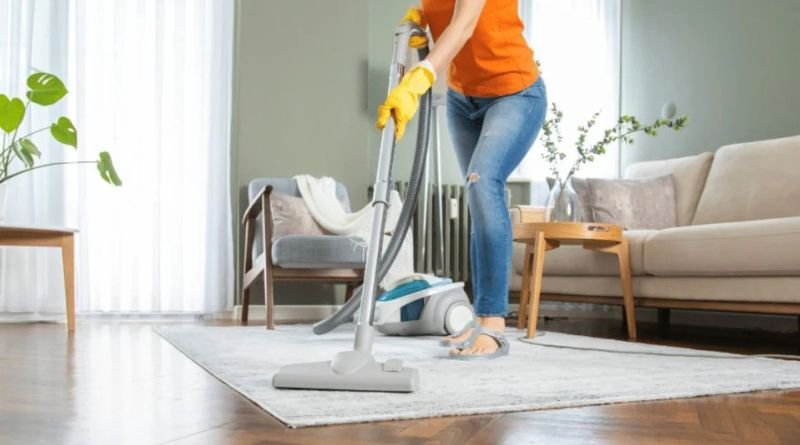
- Vacuum carpets and upholstered furniture routinely.
- Wash pet bedding and inspect common accident areas.
- Use kitchen and bathroom exhaust fans during moisture-producing activities.
- Change HVAC filters according to manufacturer instructions.
- Keep cardboard, rugs, and stored fabrics away from damp floors.
Frequently Asked Questions
Why does a clean room still smell?
The source may remain in carpet padding, upholstery, walls, drains, appliances, or damp materials that are not visible during routine cleaning.
Does baking soda remove every odor?
No. It may help with mild surface odors, but it cannot solve concealed moisture, plumbing trouble, soaked padding, or deep smoke residue.
Can an air purifier remove a musty smell?
It may reduce some airborne particles or odors, but it cannot correct the moisture problem causing the smell.
Conclusion
The best way to remove lingering household odors is to follow the smell back to its source. Clean the affected materials, control moisture, allow everything to dry completely, and avoid masking the problem with a strong fragrance. If the odor returns, look deeper for trapped residue, hidden water damage, or materials that need professional attention.