Key Takeaways
- Seal entry points to prevent pests from accessing your home.
- Maintain cleanliness to eliminate food and shelter sources.
- Monitor and manage moisture to discourage common local pests.
- Implement natural deterrents as a first line of defense.
- Contact local professionals when pest issues persist or escalate.
In Northern Virginia, the mix of historic neighborhoods, lush woodlands, and changing seasons creates a welcoming environment for families. Still, unfortunately, it also attracts a wide variety of pests year-round. Whether it is ants advancing in spring, mosquitoes during humid summers, or rodents seeking shelter as winter approaches, maintaining a pest-free home requires proactive, consistent effort. Protecting your living space from unwanted visitors is not just about comfort; it is also crucial for your health and property preservation. For immediate solutions and expert help, many homeowners turn to pest control services that are familiar with local species and specific regional challenges. Northern Virginia’s proximity to wooded areas, water sources, and urban sprawl brings neighborhood-specific concerns. While some pests are a minor nuisance, others can pose more serious threats by spreading disease or causing structural harm. In this region, quick action and preventive measures are key to avoiding infestations and the complications they can cause to your home and your family’s health.
Seal Entry Points
The rolling landscape of Northern Virginia means homes often have extra nooks and crannies that make it easy for pests to gain access. Walk the perimeter of your house and inspect for cracks or gaps not only in foundations but also around windows, doors, and siding. Pay special attention after stormy weather, as heavy rainfall and winds can create new openings. Use high-quality caulk to seal all cracks, and install door sweeps to block drafty gaps beneath exterior doors. Vents, utility line entry points, and even attic or basement openings should have protective screens or covers to keep out rodents, insects, and even squirrels, which are common in the area. Additionally, make it a point to regularly check the seals around pipes and cables that enter through your walls. Even the smallest gap can serve as a migration point for insects or mice. Weatherstripping can help firm up older doors and windows, vastly reducing the likelihood of pests finding an easy entrance during seasonal transitions. Ensuring garage doors fully close and that other utility entry points are secure is essential. Many pest problems start with a simple oversight in weatherproofing, so an annual spring and fall inspection can help catch issues early, before infestations begin.
Maintain Cleanliness
Regular cleaning is foundational to pest prevention, especially as Northern Virginia homes often serve as gathering spots for both families and friends. Make a habit of wiping down kitchen counters, storing pantry goods in airtight containers, and sweeping up crumbs around dining areas. Keeping trash bins sealed and emptying them frequently helps deter raccoons and rats, which frequently exploit loose garbage in suburban and urban intersections. Decluttering spaces, from garages to outdoor sheds, deprives pests of hiding places, making your home a less attractive target. Don’t forget outdoor maintenance, too. Trim back shrubbery and overgrown plants that touch the house, as these can serve as bridges for crawling pests and rodents. Regularly raking leaves and clearing debris from the yard reduces the amount of organic matter where insects and rodents might nest. Cleaning up pet food dishes, birdseed, and compost piles outside will also discourage critters from lingering near your home. Establishing a routine indoor and outdoor cleaning schedule will go a long way toward keeping pests at bay throughout the changing seasons in Northern Virginia.
Manage Moisture
The humid summers and wet springs in Northern Virginia create ideal breeding grounds for ants, termites, and mosquitoes. Leaky faucets, dripping air conditioning units, or standing water in the yard can all attract pests quickly. Inspect under bathroom and kitchen sinks for drips and fix issues promptly. Dehumidifiers are useful in basements or rooms prone to dampness. Maintaining gutters and ensuring proper drainage around foundations can also prevent moisture accumulation that lures pests close to your home. It is also wise to check areas that can collect unexpected moisture, such as crawl spaces, unused drains, and below appliances. Mosquitoes only need a bottle cap’s worth of water to breed, so regular vigilance pays off. Installing French drains or correcting landscaping that slopes toward your house can redirect water away from the foundation. Try running sprinklers in the morning so grass and soil can dry during the day, and examine outdoor spigots for leaks that can inadvertently create a pest haven right at your home’s edge.
Use Natural Deterrents
For many Northern Virginia residents, using natural pest repellents is the first step before stronger measures. Herbs like mint and basil can repel insects while flourishing in backyard gardens or window boxes. Essential oils, including lavender and peppermint, are effective at repelling ants, spiders, and even mice when used in diffusers or diluted sprays. Be mindful that natural remedies are often most effective alongside broader prevention strategies. For more comprehensive guidance on natural prevention and other methods, resources such as the EPA’s guide to safe pest control offer additional tips and advice. Consider rotating the types of natural deterrents you use, as some pests may become accustomed to certain scents or methods over time. Using a combination of physical barriers, like mesh for fruit trees or garden beds, alongside natural repellents can create a multi-layered defense against insects and rodents. Additionally, regularly reapplying natural sprays or oils, especially after rainfall, will help maintain their effectiveness throughout the season. Some residents even plant pest-resistant shrubbery as both an attractive landscaping choice and a practical deterrent, blending beauty and utility.
Seek Professional Help When Necessary
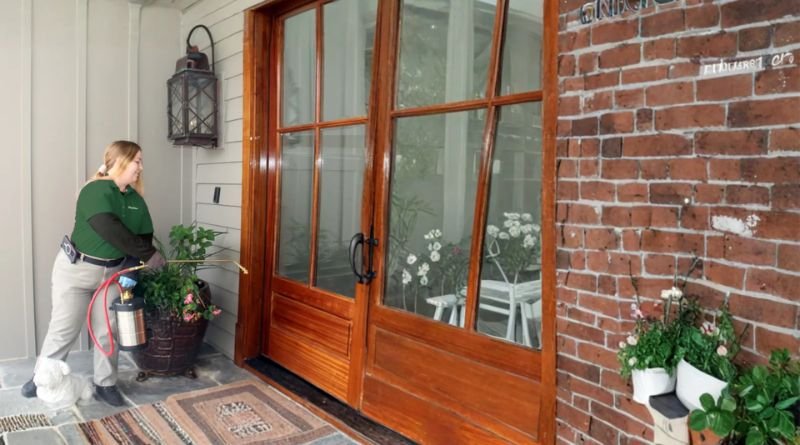
Despite best efforts, some pest issues in Northern Virginia require professional intervention. Regional pest control experts understand which treatments are safest and most effective for local pests. For example, tick and mosquito control are especially important given the area’s lush parks and rising concerns about Lyme disease. If DIY methods are not enough, or if you encounter persistent signs of termites, bed bugs, or rodent infestations, professionals can conduct a thorough assessment and apply targeted solutions. For region-specific guidance on choosing a pest control provider, the EPA’s advice on pest control services is a helpful national resource. When choosing a pest control service, look for companies that offer integrated pest management (IPM) solutions. These emphasize minimal chemical use by focusing on identifying, monitoring, and preventing pest problems before they require harsher treatments. Read reviews, ask neighbors for referrals, and verify that providers are licensed and insured in Virginia. Some firms even offer warranties or maintenance plans, helping ensure your home remains protected year-round.
Conclusion
Creating a pest-resistant home in Northern Virginia requires vigilance, routine prevention, and timely professional support. With unique regional challenges and seasonal changes, adapting your approach year-round will minimize risks, protect your living space, and support a healthy environment for your family and neighborhood. With these strategies in place, you can enjoy the area’s natural beauty and historic charm without unwelcome intruders disrupting your comfort or safety. Pest management is not a one-time task, as it’s an ongoing commitment, especially in a region as diverse and dynamic as Northern Virginia. By staying proactive and informed, you can better anticipate seasonal spikes in activity and respond quickly to new threats. Involving all household members in regular inspections and cleanliness habits strengthens your efforts, ensuring your home is prepared to withstand both common pests and more persistent invaders. Remember, effective pest control enhances not only your immediate comfort but also the long-term value and safety of your property.