Key Takeaways
- Budget for the full cost of homeownership, not just the purchase price.
- Get preapproved before beginning your home search.
- Research the local market and neighborhood before making an offer.
- Complete inspections and due diligence before closing.
- Work with local professionals for informed guidance throughout the process.
Buying a home in Wappingers Falls can be exciting, but a successful purchase takes more than finding an appealing listing. Buyers need a realistic payment plan, a clear understanding of the local market, and enough time to investigate each property before committing.
Local guidance can make those decisions easier. Wappingers Falls, NY real estate agent Carol Mahoney leads The Carol Mahoney Team, a full-service Hudson Valley real estate team whose website provides home-search tools, neighborhood information, and buyer and seller resources. The team serves Wappingers Falls, Fishkill, Hopewell Junction, Poughkeepsie, Beacon, Dutchess County, and nearby Hudson Valley communities, bringing local market knowledge and transaction support to buyers, sellers, and investors.
Start With a Realistic Home-Buying Budget
The listing price is only part of the cost of owning a home. Before touring properties, calculate a monthly payment that feels comfortable after accounting for routine living expenses, savings goals, and unexpected repairs.
Include the Full Cost of Ownership
- Principal and interest on the mortgage
- Property taxes and homeowners insurance
- Utilities, internet, and seasonal heating or cooling costs
- Maintenance, repairs, and future replacements
- Homeowners association fees, if applicable
Leave room in the budget for moving expenses, furnishings, and an emergency fund. A lender may approve a larger loan than you want to carry every month, so prioritize a payment that supports your long-term goals.
Review the 2026 Wappingers Falls Housing Market
Market conditions can help shape your timeline and offer a strategy. Recent Wappingers Falls housing market data reported a median sale price of about $407,000 for the three months ending in May 2026, with prices up year over year. Homes sold in about 79 days on average, while the number of closed sales was lower than the prior year.
Those figures are a useful starting point, not a price estimate for every home. Condition, property type, lot size, school area, and whether a property is in the village or the surrounding town area can all affect value. Review active listings and recent comparable sales before deciding what to offer.
Get Mortgage-Ready Before Touring Homes
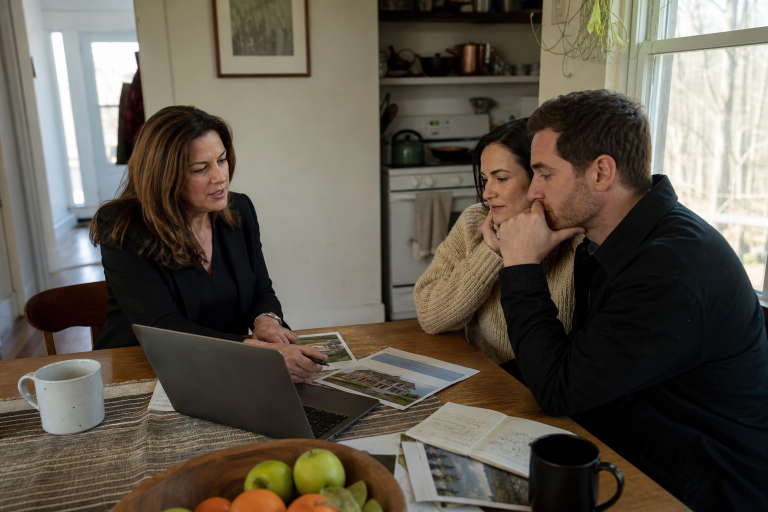
Preapproval helps you shop with confidence and shows sellers that your financing has been reviewed. Start by checking your credit reports for errors, then gather pay stubs, tax returns, bank statements, employment information, and documentation for major deposits.
- Speak with more than one lender and compare loan options.
- Ask about fixed-rate and adjustable-rate mortgage terms.
- Compare interest rates, lender fees, points, and total loan costs.
- Request a written preapproval letter.
- Reserve funds for a down payment, inspections, closing costs, and moving.
Prequalification is usually an early estimate based on information you provide. Preapproval generally involves a more detailed review of your finances. Neither replaces final underwriting, but preapproval is typically more meaningful when submitting an offer.
Understand the Village and Town Areas
“Wappingers Falls” can refer to the incorporated Village of Wappingers Falls or nearby addresses in the Town of Wappinger. Confirm the municipality for every home because taxes, local services, zoning, utilities, commute patterns, and neighborhood character may differ.
Choose Features That Match Daily Life
Create two lists before visiting homes: must-haves and nice-to-haves. Consider commute time, bedrooms, home office needs, storage, yard maintenance, walkability, parking, access to shopping, and nearby parks or recreation.
For example, a buyer may decide that a smaller home closer to work and daily services is a better fit than a larger home requiring a longer commute and a higher monthly payment. A clear ranking system makes it easier to compare homes objectively.
Work With a Local Real Estate Professional
A local agent can help you interpret comparable sales, recognize neighborhood differences, prepare a well-structured offer, and coordinate communication between the lender, attorney, inspector, seller, and title professionals. Before choosing an agent, ask how they handle multiple-offer situations, what they know about local taxes and inspections, how often they communicate, and which professionals may be needed before closing.
Tour Homes With a Practical Checklist
Look beyond staging, paint colors, and furniture placement. During each showing, evaluate the roof, heating system, windows, electrical panel, plumbing, drainage, and visible signs of moisture. Notice traffic noise, natural light, parking, nearby properties, and the condition of common areas if the home is part of an association.
Visit the neighborhood at different times of day when possible. Save notes and photos after every showing so the details of multiple properties do not blend together.
Make an Offer That Fits the Property and Market
A strong offer considers both price and terms. Your offer may address the purchase price, earnest money deposit, mortgage contingency, inspection contingency, appraisal contingency, closing date, seller concessions, and repair requests. The highest offer is not always the strongest if another offer has more certainty, cleaner terms, or a more suitable closing timeline.
Do not waive important protections simply to compete. Discuss the risks of limiting inspections, financing contingencies, or appraisal protections with your attorney and lender before making that choice.
Complete Due Diligence After Acceptance
- Schedule a professional home inspection and review the report carefully.
- Confirm property taxes, utility expectations, permits, and renovation history when available.
- Allow the lender to complete the appraisal and underwriting process.
- Review the title search, title insurance, loan estimate, and closing disclosure.
Independently verify property details, school information, taxes, and utility costs. Legal, lending, inspection, and tax questions should be directed to the appropriate licensed professional.
Prepare for Closing Day
Before closing, complete a final walkthrough to confirm the property is in the expected condition, that the agreed-upon repairs are complete, and that the included items remain. Bring identification and any documents or funds requested by your attorney, lender, or title company. Avoid opening new credit accounts, making large purchases, or changing jobs before the transaction is finalized.
Common Home-Buying Mistakes to Avoid
- Touring before obtaining preapproval
- Ignoring taxes and ongoing maintenance costs
- Focusing only on the listing price
- Skipping inspections without understanding the risk
- Making an emotional offer that exceeds the budget
- Failing to research the municipality and neighborhood
Quick Buyer Checklist
- Set a total housing budget and review savings.
- Compare lenders and obtain preapproval.
- Choose target areas and define must-have features.
- Tour homes, review comparable sales, and submit a careful offer.
- Complete inspections, financing, title work, final walkthrough, and closing.
Conclusion
Buying a home in Wappingers Falls in 2026 requires careful budgeting, local research, and thorough due diligence. By planning for the full cost of ownership, understanding each property’s location and condition, and building a capable professional team, buyers can make a more confident decision and select a home that supports both current needs and future plans.