Key Takeaways
- GFCI protection is especially important in areas exposed to water, moisture, damp surfaces, or outdoor conditions.
- Bathrooms, kitchens, garages, laundry spaces, unfinished areas, and exterior outlets are common locations for GFCI protection.
- A working GFCI should cut power when tested and restore power when reset.
- Repeated tripping can signal moisture, a damaged cord, a failing appliance, wiring trouble, or a worn device.
- Local code enforcement and adopted electrical rules determine the exact requirements for a property in Lake Wylie.
Living near Lake Wylie, South Carolina, means water is part of everyday life, from damp pool decks and boat-day gear to rain-exposed porches and outdoor entertaining areas. Inside and outside the home, ground-fault circuit-interrupter protection helps reduce the risk of severe electrical shock where moisture or contact with grounded surfaces can create added danger. Professional GFCI outlet installation can help ensure the device, circuit, and protected locations are evaluated together rather than treated as separate problems.
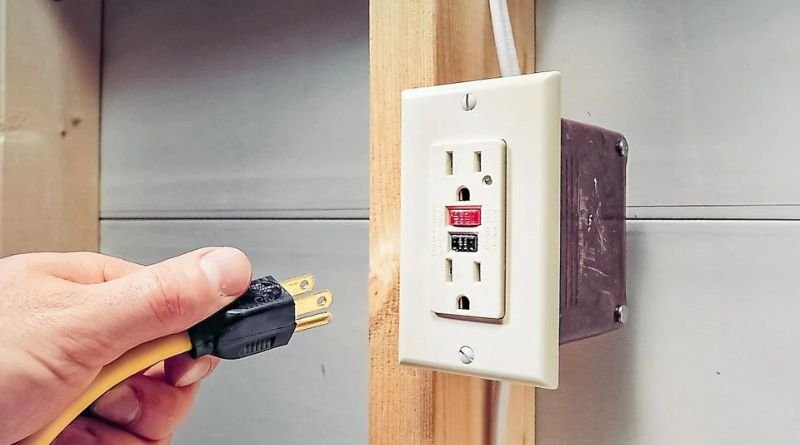
A GFCI is not simply a convenience outlet with TEST and RESET buttons. It monitors the electricity flowing through a circuit and shuts off power when it detects a difference between outgoing and returning current that may indicate leakage along an unintended path. That quick response is intended to protect people from certain ground-fault shock hazards.
Why GFCI Protection Matters in Lake Wylie, SC
GFCIs serve a different purpose than standard circuit breakers. A breaker is designed primarily to help protect wiring when the current becomes excessive. A GFCI responds to certain current leaks, including when electricity may be traveling through a person toward the ground. Both forms of protection matter, but one does not replace the other.
For Lake Wylie homeowners, this distinction is practical. An outlet can appear normal and still be in a location where wet hands, condensation, damp concrete, landscaping equipment, or a damaged extension cord raise the consequences of an electrical fault. If you need help identifying protected circuits or evaluating a recurring electrical issue, your search for the best electrician in Lake Wylie should focus on licensed professionals who can safely inspect the entire circuit.
Where GFCI Protection Is Commonly Needed
Electrical codes identify locations where people are more likely to encounter moisture or grounded surfaces. Exact requirements vary by the code edition enforced by the local authority, the age of the home, the type of work being completed, and any approved amendments. General areas that often call for careful GFCI review include:
- Bathrooms and sink areas: Countertop outlets and other receptacles used for personal care routines deserve special attention.
- Kitchens: Countertop receptacles serve blenders, coffee makers, mixers, and other appliances used around sinks and wet cleanup areas.
- Garages and unfinished spaces: Concrete floors, power tools, vehicles, and stored equipment can add risk.
- Laundry rooms and utility areas: Washing machines, utility sinks, condensation, and floor drains can create damp conditions.
- Basements and crawl spaces: These spaces may be vulnerable to humidity, seepage, or water intrusion.
- Patios, porches, yards, and docks: Exterior receptacles face rain, irrigation, wet ground, and outdoor equipment use.
- Pool, spa, fountain, and water-feature areas: These installations require close attention to electrical safety and applicable rules.
GFCI Receptacles vs. GFCI Breakers
GFCI protection can be provided at the receptacle or at the electrical panel. The better approach depends on the circuit layout, the equipment being served, access to the device, and local requirements.
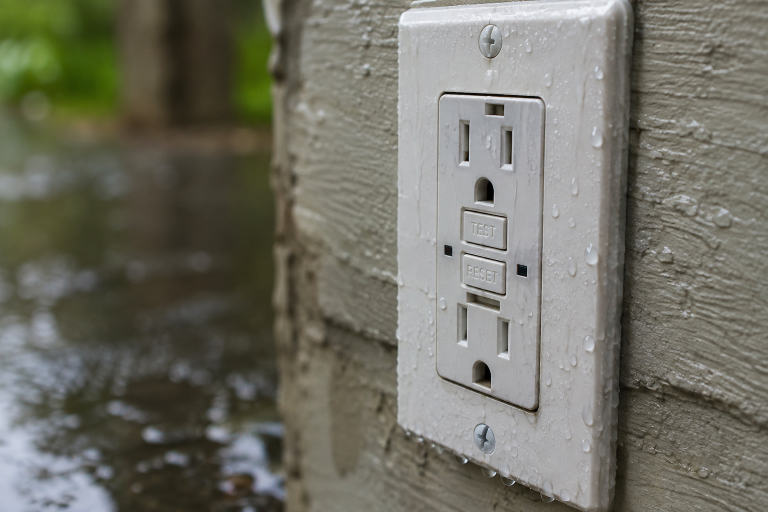
- GFCI receptacle: This device is installed at an outlet location and has accessible TEST and RESET buttons. When wired correctly, it may also protect downstream receptacles on the same circuit.
- GFCI breaker: This device is installed in the electrical panel and protects the entire branch circuit it serves.
- Choosing the right option: A professional should account for which outlets are on the circuit, whether downstream protection is needed, and whether the device will remain accessible for testing and resetting.
How to Test a GFCI Outlet
Only test a GFCI when the outlet, cover, and surrounding area are dry and show no signs of damage. Use the instructions printed on the device, since indicator lights and button behavior can vary by manufacturer. Electrical Contractor magazine outlines why proper installation and testing are both important to dependable protection.
- Plug a small lamp or another simple device into the outlet.
- Turn the device on to check whether it has power.
- Press the TEST button on the GFCI.
- Confirm that the connected device loses power.
- Press the RESET button and confirm power returns.
If the test button does not shut off power, the reset button will not engage, or the outlet does not restore power as expected, stop using that outlet until it can be evaluated. An outlet that supplies power does not necessarily provide functional ground-fault protection.
What It Means When a GFCI Trips
A single trip does not automatically mean the GFCI has failed. Moisture in an outdoor box, a cracked appliance cord, a damaged tool, or a temporary fault can cause the device to open the circuit. Start with a cautious process:
- Unplug everything connected to the affected outlet, as well as any nearby outlets that may be protected by it.
- Do not touch damaged cords, wet plugs, or equipment sitting in water.
- When the area is dry and safe, press RESET once.
- Reconnect devices one at a time.
- Stop using the circuit if the GFCI trips again.
When Repeated Trips Need Professional Attention
Do not repeatedly reset a tripping GFCI to keep equipment running. Arrange an inspection when the device trips with nothing plugged in, will not reset, fails its test, feels warm, looks discolored, buzzes, sparks, or produces a burning odor. Multiple dead outlets can also indicate that an upstream GFCI or breaker has tripped, but it may require circuit testing to identify the cause
2026 Code Changes and Outdoor HVAC Equipment
Outdoor electrical equipment is particularly relevant in the Lake Wylie area, where air-conditioning systems, heat pumps, porch outlets, and weatherproof receptacles are exposed to changing conditions. On September 1, 2026, a temporary National Electrical Code exception affecting listed outdoor HVAC equipment expired. However, code adoption and enforcement can differ by jurisdiction, so homeowners and contractors should confirm what applies to a specific project with the authority having jurisdiction. Current industry discussions note that the outdoor HVAC exemption expired, while questions about equipment compatibility and local treatment persist
Common GFCI Mistakes to Avoid
- Assuming every outlet near water already has protection.
- Testing only the GFCI that is easiest to find.
- Using extension cords as permanent wiring for outdoor or garage equipment.
- Replacing a GFCI with a standard receptacle without understanding the circuit.
- Continuing to use an outlet that is loose, hot, cracked, stained, or discolored.
- Bypassing protection or opening electrical boxes when the cause of a trip is unknown.
A Simple GFCI Safety Checklist for Lake Wylie Homes
- Locate GFCI receptacles and identify GFCI breakers in the panel.
- Check outdoor covers for cracks, gaps, and weather damage.
- Test accessible GFCIs according to their labeled instructions.
- Confirm the TEST button removes power and the RESET button restores it.
- Keep outdoor covers closed when outlets are not in use.
- Call a qualified electrician when testing fails, damage is visible, or tripping continues.
Conclusion
GFCI protection is a small but important part of electrical safety in Lhomes in Ake Wylie, South Carolina. Regular testing, weather-resistant outdoor equipment, and prompt attention to unusual tripping can help identify problems before they become more serious. When a GFCI fails its test, trips repeatedly, or shows signs of overheating or damage, stop using the affected circuit and have it inspected professionally.