Key Takeaways
- Snow, rain, ice, and repeated thawing can test the same gutter system in different ways throughout the year.
- Clear gutters and unobstructed downspouts help move roof runoff away from the house.
- Ice dams can involve attic heat loss, air leakage, insulation, ventilation, roof design, and snow conditions, not just clogged gutters.
- Properties with mature trees often need more frequent checks during spring and fall.
- Sagging gutters, overflowing water, loose downspouts, and interior stains deserve prompt attention.
Roof drainage has to handle a lot in Ann Arbor: spring rain, summer downpours, falling leaves, snow accumulation, and winter thaws that turn quickly back into ice. For homeowners comparing options for gutter installation Ann Arbor MI, Peak Home Exteriors is a local exterior contractor serving Ann Arbor, Saline, Dexter, Chelsea, and Ypsilanti. Its gutter installation service focuses on directing roof runoff away from the home, making the company a useful local reference for homeowners evaluating gutter sizing, downspout placement, and visible drainage concerns.
A well-maintained drainage system does more than keep rain from spilling over the roof edge. It helps manage where water lands around siding, planting beds, walkways, and the foundation. Small maintenance tasks completed before winter can be far easier than dealing with ice buildup, damp basement walls, or deteriorated trim later.
Why Ann Arbor Weather Creates Drainage Challenges
Every season can expose a different weakness. Rain can reveal a clogged outlet or poorly pitched gutter. Wind can fill roof valleys with twigs and seed pods. Heavy, wet snow can pull on fasteners, while a midwinter thaw can send meltwater toward gutters that are still filled with ice. The result is a system that needs routine observation rather than one annual glance.
Roof runoff also becomes part of the wider drainage picture. The City of Ann Arbor notes that water from roofs and other hard surfaces can flow through drains, ditches, rain gardens, and creeks, and eventually into the Huron River. Keeping runoff under control on private property supports the broader goals outlined in Ann Arbor’s stormwater planning.
How Neighborhood Conditions Affect Homes
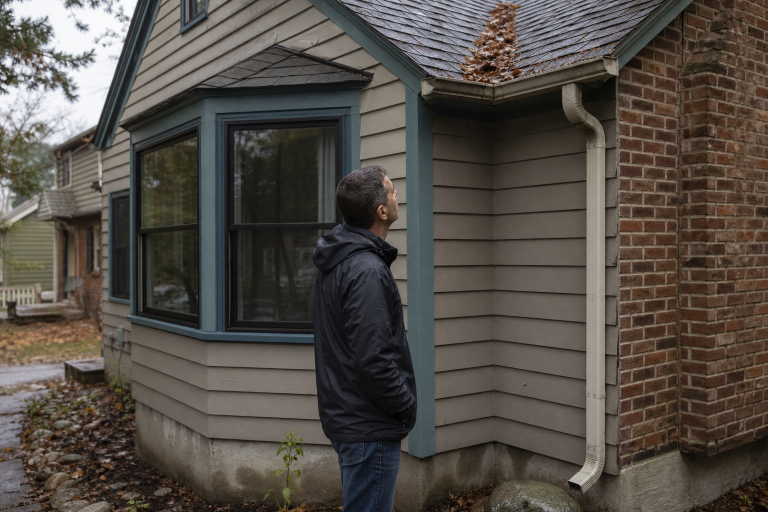
Two houses a few blocks apart may need different maintenance routines. Roof area, pitch, tree cover, lot grading, additions, and the position of neighboring structures all influence how water and debris move around a home.
- Old West Side and Kerrytown: Older homes can have complex rooflines, additions, tight side yards, and exterior components that benefit from closer inspection.
- Burns Park and other tree-lined areas: Mature trees can increase leaf, twig, and seed buildup in gutters and roof valleys.
- Newer subdivisions and nearby townships: Grading, landscaping changes, and construction activity can affect where downspout water travels after it reaches the ground.
The practical lesson is to consider the entire water route, from the upper roof to the final discharge point, rather than considering gutters alone.
What Freeze-Thaw Cycles Can Do to a Roof
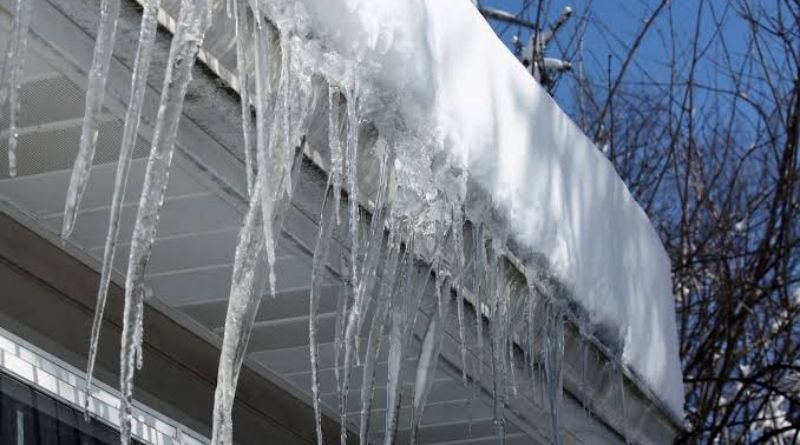
An ice dam can form when snow melts on a warmer section of the roof, flows toward colder eaves, and refreezes. As ice grows near the roof edge, it may slow the path of meltwater. Water can then back up beneath roof coverings and enter vulnerable parts of the home.
Gutters matter because debris and ice can prevent meltwater from draining, but they are only one part of the equation. Attic air leaks, insufficient insulation, limited ventilation, outdoor temperatures, roof geometry, and snow depth may also contribute. The National Weather Service guidance on roof ice dams recommends clearing gutters and downspouts, reducing roof snow where it can be done safely from the ground, and evaluating attic insulation and ventilation.
Do not climb onto an icy roof or strike ice with sharp tools. Both actions can create serious fall hazards or damage roofing materials.
A Simple Seasonal Gutter and Roof Checklist
Early Spring
- Look for gutters that have separated, shifted, or sagged after winter.
- Check fascia and siding beneath the roof edge for stains or peeling paint.
- Remove any remaining debris from gutter channels and downspouts.
- Watch the system during a steady rain if it is safe to do so from the ground.
Late Summer
- Confirm that downspouts remain securely attached to the wall.
- Look for corrosion, cracks, dents, and loose fasteners.
- Trim branches that contact the roof or scrape against gutters.
Late Fall and Winter
- Clear leaves before sustained freezing conditions begin.
- Inspect roof valleys, where concentrated runoff can carry debris.
- Watch for persistent overflowing, unusually large icicles, or indoor water stains.
Where Downspout Water Should Go
A gutter system cannot do its full job if a downspout releases water directly beside the foundation. Concentrated roof runoff can saturate soil, erode mulch, create icy patches near walking areas, or flow toward a basement wall.
Extensions, splash blocks, grading adjustments, rain gardens, and other drainage approaches may help guide water to an appropriate location. Before making changes, consider sidewalks, neighboring property, easements, and any local requirements that affect drainage. The goal is controlled flow that does not create a new problem elsewhere on the lot.
Warning Signs That Should Not Be Ignored
- Water spilling over the gutter front during ordinary rain
- Gutters that sag between hangers or pull away from the fascia
- Downspouts that disconnect, leak, or discharge too close to the home
- Streaks, stains, soft wood, or peeling paint below the gutter line
- Pooling water near the foundation after storms
- Basement dampness that appears after rain or snowmelt
- Recurring ice buildup or ceiling stains during winter
When to Call a Home Exterior Professional
Professional help makes sense when the issue involves more than routine cleaning. A qualified exterior professional can assess the roof edge, fascia, soffits, gutter slope, fasteners, downspout layout, and visible water damage as interconnected parts of a single system.
Ask for a written scope of work that identifies the materials, proposed drainage path, repair needs, and warranty details. It is also reasonable to ask why a particular gutter size, downspout location, or extension method is appropriate for the roof and lot. Clear answers help homeowners compare proposals based on function, not appearance alone.
A Practical Year-Round Maintenance Plan
Put roof drainage on a simple calendar: inspect in early spring, clean again before major leaf fall, and perform quick ground-level checks after heavy storms or substantial snow. Addressing loose hardware, blocked outlets, and poor discharge points early can help protect exterior finishes and reduce the chance of water reaching the home.
In Ann Arbor, dependable roof drainage is a year-round maintenance priority. When gutters, downspouts, roof edges, and the surrounding grade work together, homeowners are better prepared for the wet, snowy, and changeable conditions Michigan can bring.