Key Takeaways
- Coastal scenery is only one part of a sound home-buying decision.
- Flooding, erosion, wildfire, drainage, insurance, and permit rules can vary by parcel.
- Two similarly priced homes may carry very different long-term ownership costs.
- Location can influence inspections, repairs, emergency access, future improvements, and resale.
- Buyers should verify conditions at the specific address rather than relying on broad neighborhood labels.
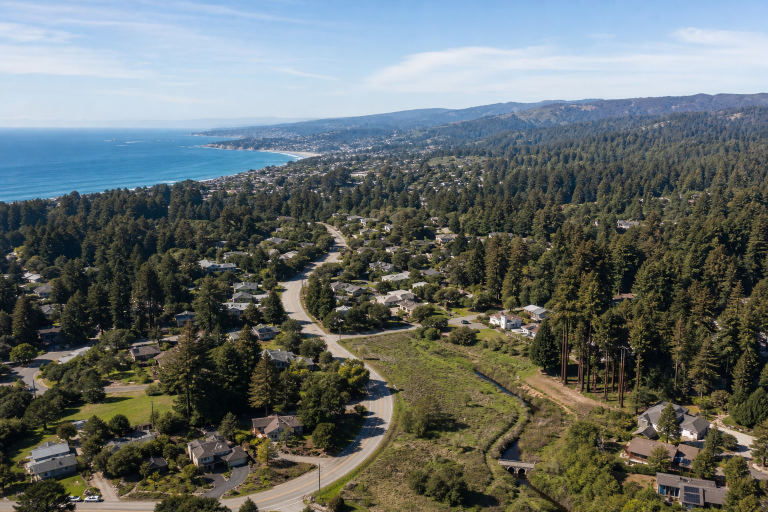
Santa Cruz County offers an uncommon mix of beaches, redwood landscapes, established neighborhoods, and access to outdoor recreation. For buyers, that variety creates opportunity, but it also means a home’s setting can affect its upkeep, insurance, permitting options, and day-to-day practicality. A coastal view is valuable only when it fits the full ownership picture.
Buyers comparing Capitola, Aptos, Santa Cruz, Soquel, Scotts Valley, and mountain communities can benefit from a local perspective and property documents. Capitola CA real estate agents EF Homes is the home search and real estate services site for EF Homes, a Capitola-based team serving Santa Cruz County and nearby communities. The team reports experience across more than 1,000 transactions, making it a useful local resource for comparing neighborhood fit, home conditions, inspections, and the practical tradeoffs that can shape a purchase.
Look Beyond the Coastal View
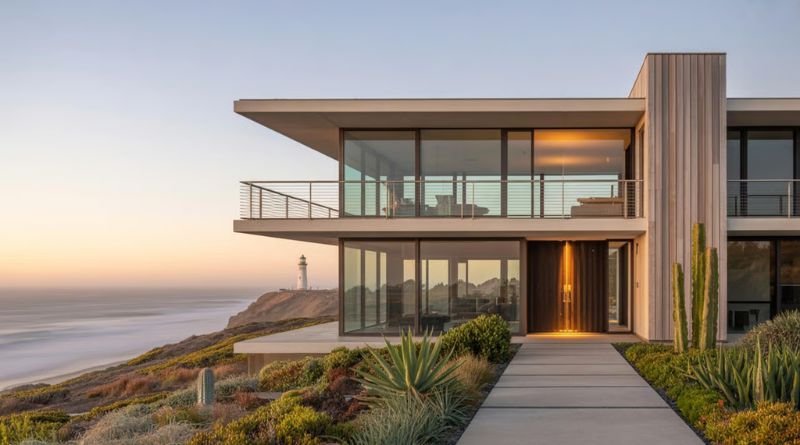
Living close to the Monterey Bay can mean beach access, walkable commercial areas, ocean air, and easy access to parks and trails. It can also mean more exposure to wind-driven rain, moisture, salt air, and seasonal visitor traffic. Exterior materials, decks, railings, windows, roofs, and metal fixtures may require closer attention when regularly exposed to coastal conditions.
During a showing, look beyond the view corridor. Consider parking, privacy, road noise, drainage, usable outdoor space, distance to services, and the route you would take during a heavy storm. A home farther inland may offer a different balance of commute time, lot size, maintenance needs, and weather exposure.
Review the Main Property Risks
Start early research with a property-specific checklist. Disclosures and inspections are important, but they should be considered alongside public maps, permit records, and insurance quotes.
- Flood-zone designation and nearby creeks, lagoons, or drainage channels
- Bluff, shoreline, slope, soil, and retaining-wall conditions
- Wildfire exposure and vegetation around the structure
- Roof, siding, window, foundation, and drainage conditions
- Driveway grade, road width, parking, and emergency access
- Availability, coverage limits, deductibles, and cost of homeowners’ insurance
A citywide or ZIP-code-level description cannot tell the whole story. Conditions can differ from one block to the next, particularly near creeks, hillsides, coastal bluffs, and older infrastructure.
Check Insurance Before Making an Offer
Insurance should be reviewed before an offer becomes difficult to revise. A lender generally requires evidence of homeowners coverage before closing, while a buyer may need separate policies or face deductibles and exclusions that change the real cost of ownership. Ask an insurance professional to quote the actual address, property type, roof condition, and replacement-cost assumptions.
Review what is covered for fire, wind, water damage, personal liability, and detached structures. Also, ask whether flood insurance is needed or advisable. Insurance terms can change, so use a current written quote rather than an estimate based on a nearby home.
Study Flooding and Erosion Concerns
Flood exposure is not limited to beachfront homes. Low-lying properties near waterways and drainage routes can require additional review, especially where runoff may collect during significant rain. Buyers can use the FEMA Flood Map Service Center to locate official flood-map information, then discuss the results with insurers, inspectors, and qualified local professionals.
For bluffside, beach-adjacent, or coastal-zone homes, ask about prior drainage work, engineering reports, slope stabilization, and any history of water intrusion. Future improvements may be more constrained than expected. Santa Cruz County explains that development in its coastal zone can require a Coastal Development Permit, with exemptions depending on the work and site conditions, in its guidance for coastal-zone rebuilding and permits.
Compare Coastal and Hillside Wildfire Exposure
Coastal and urban properties may call for close attention to moisture, corrosion, drainage, and flood conditions. Hillside and mountain homes may add wildfire exposure, tree maintenance, steep access, private-road responsibilities, and evacuation planning. Neither setting is automatically better. The right choice depends on the specific property and the buyer’s tolerance for maintenance, access, and risk.
Questions for hillside and rural properties
- Is there adequate defensible space around the home?
- What are the roof and siding materials?
- Are trees, branches, or vegetation close to structures or access roads?
- Is the driveway accessible for emergency and repair vehicles?
- Does the home rely on a well, septic system, propane, or backup power?
Learn How Local Rules May Affect the Home
Permit history matters because a buyer’s plans may depend on what was legally built and what can be changed. Review records for additions, decks, retaining walls, accessory structures, conversions, grading, and major repairs. Unpermitted work can complicate financing, insurance, resale, and renovation planning.
Before assuming a remodel, ADU, deck expansion, or shoreline-related improvement is possible, ask the appropriate city or county planning department about the address. Coastal-zone rules, easements, slope conditions, and environmental constraints can affect both timing and design.
Build a Complete Ownership Budget
The purchase price is the starting point, not the full cost. Build a realistic ownership budget that includes:
- Insurance: Premiums, deductibles, exclusions, and possible separate flood coverage.
- Maintenance: Exterior paint, drainage, roof care, windows, decks, corrosion, and vegetation management.
- Utilities: Water, sewer or septic, electricity, propane (where applicable), and backup power needs.
- Permits and improvements: Design, engineering, application, and construction costs for planned work.
- Transportation: Commute patterns, parking, private-road obligations, and seasonal traffic.
- Resale flexibility: Future buyer demand, required disclosures, and factors that could affect financing.
Use a Simple Comparison Process
- Define the lifestyle goal. Prioritize beach access, privacy, walkability, commute time, outdoor space, or long-term stability.
- Set a complete budget. Include taxes, insurance, repairs, utilities, and planned upgrades.
- Compare several settings. Consider coastal, urban, valley, and hillside homes before narrowing the search.
- Verify address-specific risks. Read disclosures, order inspections, review records, and obtain insurance quotes.
- Consider resale. Think about what future buyers may value and what limitations could matter later.
Questions to Ask Before Closing
- Has the property experienced flooding, water intrusion, fire, smoke, or storm damage?
- What insurance options are currently available for this address?
- Are there floodplain, coastal-zone, wildfire, geologic, or easement restrictions?
- Were additions, decks, retaining walls, and conversions properly permitted?
- What repairs are likely within the next five years?
- Could access, drainage, parking, utilities, or road maintenance create added costs?
- How could the property’s condition and location affect future resale?
Conclusion: Choose the Full Picture
A successful Santa Cruz County home purchase balances lifestyle value with safety, cost, maintenance, and future flexibility. Coastal homes can provide lasting enjoyment, while inland and hillside properties can offer their own advantages. In 2026, buyers who investigate insurance, hazards, permits, upkeep, and resale before making an offer will be better positioned to choose a home that works for both daily life and long-term plans.