Key Takeaways
- Start with the fence’s job, whether that is privacy, security, pet containment, pool safety, or access control.
- South Florida properties need materials, hardware, posts, and drainage planning suited to heat, rain, humidity, and wind.
- Confirm property lines, easements, local zoning rules, fence-height limits, and permit requirements before installation.
- Commercial fencing often requires more planning for gates, deliveries, site visibility, and security systems.
- Long-term value comes from matching the design and installation method to the property, not simply choosing the lowest initial price.
A fence is more than a line between neighboring properties. It can define an outdoor living area, secure equipment, guide vehicles, protect pets, improve pool safety, and add privacy from nearby homes or busy streets. The best result begins with a plan that accounts for the entire system, including posts, panels, gates, hardware, soil conditions, and drainage. For owners seeking local guidance, E Gomez Construction fence contractor Hialeah specializes in residential and commercial fencing, custom metal fabrication, installation, and perimeter security work across Palm Beach County, Broward County, and Southwest Florida. The company offers licensed and insured fencing services focused on durability, security, and code-conscious construction, with Fort Lauderdale, Miami, Naples, Fort Myers, and other South Florida communities among its service areas.
Why Fence Planning Matters
South Florida conditions can expose a fence to intense sun, frequent rain, persistent humidity, saturated soil, and strong winds. A design that looks appropriate on a showroom display may not be the right match for a property with poor drainage, a wide driveway opening, or an exposed corner lot. Coastal areas may also require added attention to protective finishes and corrosion-resistant hardware. Think beyond the panels. A secure gate needs suitable hinges, latches, and support. A privacy fence needs posts and connections designed for its size and exposure. A fence beside a drainage swale or low area needs a layout that does not trap water around its foundation.
Define Your Property’s Main Goals
Before comparing colors, styles, or bids, identify the primary problem the fence must solve. A clear priority makes material and layout decisions much easier.
- Privacy: Screening views from neighboring lots, roads, or commercial activity.
- Security: Controlling entry to yards, storage areas, work zones, or equipment.
- Safety: Creating a barrier around a pool, play area, or other restricted space.
- Pet containment: Keeping pets within the property while considering digging, jumping, and gate use.
- Visibility: Maintaining safe sight lines at driveways, corners, and entry points.
- Appearance: Complementing the home, storefront, warehouse, or landscape.
- Low maintenance: Reducing the need for frequent cleaning, repainting, or repairs.
Compare Common Fence Materials
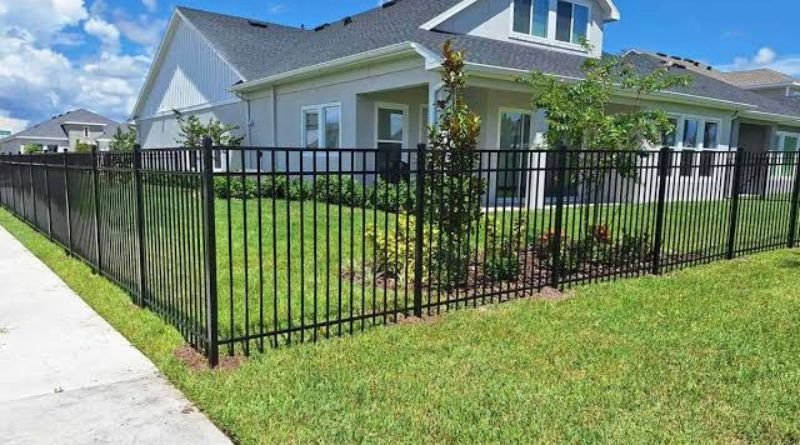
- Aluminum: Often selected for decorative boundaries and pool-area applications because it is lightweight and does not rust like unprotected steel. It is generally better for open designs than for maximum privacy.
- Steel: A strong option for security fencing, gates, and custom fabricated designs. Coating quality, weld quality, and ongoing inspection are important where moisture is common.
- Chain link: A practical choice for utility areas, side yards, sports spaces, and commercial perimeters. Privacy slats or screens may be added when visibility needs to be limited.
- Vinyl: Common for residential privacy fencing because it has a clean appearance and is easy to wash. The selected panel system and post installation should suit the site’s wind exposure.
- Wood: Offers a traditional privacy-fence appearance and design flexibility, but needs routine attention for moisture exposure, sun, insects, and damaged boards.
- Masonry: Can provide substantial privacy and a permanent boundary feature, but it normally involves more structural planning, foundation work, and regulatory review.
Plan For Wind, Rain, And Humidity
No fence should be described as storm-proof. Still, sound planning can improve performance. Post depth, spacing, footing design, rail connections, gate framing, and soil conditions all affect stability. Solid privacy panels catch more wind than open picket, aluminum, or chain-link designs, so the structure should be planned accordingly. Drainage deserves equal attention. Water that repeatedly stands beside posts can affect the surrounding soil and accelerate wear on susceptible materials. Use compatible fasteners, inspect protective coatings, and keep vegetation from holding moisture against rails or panels. Local requirements can change, so review the state’s 2026 Florida Building Code, 9th Edition, development materials, and verify project-specific requirements with the authority having jurisdiction before work begins.
Check Codes, Setbacks, And Permits Before Ordering Materials
Fence rules vary by city, county, zoning district, lot type, and project scope. Verify the recorded property boundary and locate any utility or drainage easements before setting a fence line. Also ask about maximum heights, front-yard placement, corner visibility, gates crossing driveways, pool-barrier rules, homeowners association approval, and permit or inspection steps. Local agencies regulate placement, height, visibility triangles, easements, and the circumstances that trigger permit requirements. Property owners should rely on the rules and departments serving their own address and community.
Residential And Commercial Fence Needs
Residential Priorities
Homeowners commonly balance privacy, curb appeal, pool safety, pet containment, and convenient gate placement. A practical design should also account for sprinkler heads, air-conditioning equipment, driveway access, landscaping, and neighborhood approval requirements.
Commercial Priorities
Commercial properties may need heavier-duty gates, reliable vehicle access, employee and visitor circulation, camera or lighting coordination, and protection for inventory or equipment. Warehouses, retail sites, offices, and construction areas also benefit from planning around utilities, drainage, emergency access, and future maintenance.
Installation Details That Affect Performance
- Confirm the fence route and property boundary before digging.
- Locate underground utilities through the appropriate notification process.
- Use post spacing and footing methods compatible with the selected fence system.
- Keep gates level, square, properly supported, and clear of the ground.
- Match fasteners and hardware to the fence material and exposure conditions.
- Maintain required sight lines and do not obstruct drainage paths or access routes.
A lower-cost fence can become costly when poor layout or installation results in leaning posts, sagging gates, loose hardware, corrosion, or premature replacement.
Questions To Ask Before Hiring A Contractor
- Is the contractor properly licensed and insured for the proposed work?
- Who confirms the property line and identifies easements?
- Who manages permits, inspections, and required paperwork?
- Which materials and protective finishes fit this site?
- How will slopes, corners, drainage areas, and gates be handled?
- What is included in the written scope, cleanup, and removal of an old fence?
- How are changes approved, and what warranties apply?
Build A Simple Maintenance Plan
Inspect the fence once or twice each year and after major storms, flooding, vehicle contact, or nearby construction. Check posts, rails, hinges, latches, rollers, fasteners, boards, screens, and coatings. Wash away dirt and salt residue from exposed metal, clear leaves from drainage paths, trim plants that press against the fence, and address scratches or loose components before minor issues spread.
Frequently Asked Questions
What Is The Most Durable Fence Material For South Florida?
There is no single answer for every property. Durability depends on the material, exposure, installation quality, maintenance, and intended use. Steel, aluminum, chain link, vinyl, wood, and masonry can each be appropriate when matched to the site.
Does Every Fence Need A Permit?
No. Requirements depend on the property location, fence height, material, use, and other local conditions. Confirm the rules before construction.
Should A High-Wind Area Use A Solid Or Open Fence?
Open designs allow more airflow, while solid designs provide more privacy. The right choice depends on the fence system, location, structural design, and local requirements.
How Often Should A Fence Be Inspected?
A seasonal review is a practical baseline, with an additional inspection after severe weather or an event that could affect posts, gates, or panels.
Conclusion
A durable South Florida fence starts with a clear purpose, suitable materials, sound installation, and local code verification. Property owners should consider how the fence will be used, whether the priority is privacy, security, pool safety, property boundaries, or improved curb appeal. Compare the full project, including posts, gates, drainage, fasteners, hardware, site preparation, maintenance requirements, and permits, rather than judging options by upfront cost alone. South Florida’s heat, humidity, heavy rain, strong winds, and coastal conditions can also influence material selection and long-term maintenance needs. Proper spacing, drainage, secure gate hardware, and appropriate installation methods can help the fence perform under changing weather conditions. It is also important to review property lines, HOA requirements, and local regulations before construction begins. When the fence fits the property, intended use, and South Florida conditions, it can provide practical support for privacy, security, safety, access, and curb appeal while making future maintenance easier to manage.