Key Takeaways
- Acting quickly after water damage is essential to prevent structural problems and health risks.
- Professional services have the tools and experience needed for effective and lasting restoration.
- Simple preventive actions reduce the chances of future water-related emergencies in your home.
Water damage is a serious issue that can quickly turn a home upside down. When water seeps into a property, it may lead to thousands of dollars in repairs and expose families to health hazards. Knowing which steps to take in the aftermath of water damage is vital for anyone who wants to protect their home from future trouble. Fast, professional water damage restoration East Richmond can be the difference between a simple fix and a major disaster. Homeowners are often caught off guard by water damage. Whether the water comes from broken pipes, appliance malfunctions, overflowing toilets, or flooding, its effects can worsen with time if not treated immediately. Addressing the problem the right way can help shield your home from future issues.
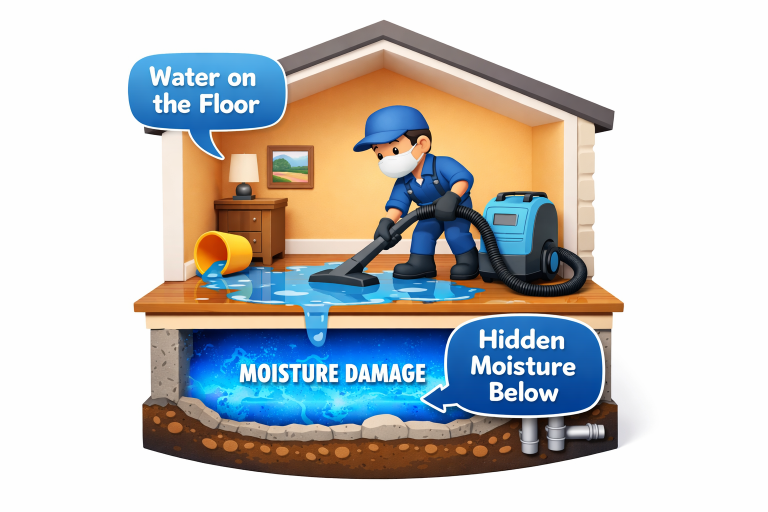
Water can damage surfaces beneath floors and inside walls, often where you cannot see it. That is why trained professionals begin restoration by locating and removing all hidden moisture. For example, using early water leak detection East Richmond can help spot leaks before they spiral into bigger issues.
Understanding Water Damage and Its Impacts
Water damage starts with a source. Burst pipes, clogged gutters, broken water heaters, and major storms are all common causes. In many cases, homeowners may not notice a leak until it has already caused real damage. Water weakens parts of your house, like beams and flooring, and can destroy drywall and insulation. If water is not removed promptly, mold can develop, leading to poor air quality and potential health concerns, such as breathing problems or allergic reactions. According to Better Homes & Gardens, keeping up with maintenance and acting quickly when you notice water is critical to minimizing both costs and risks.
The Importance of Swift Water Removal
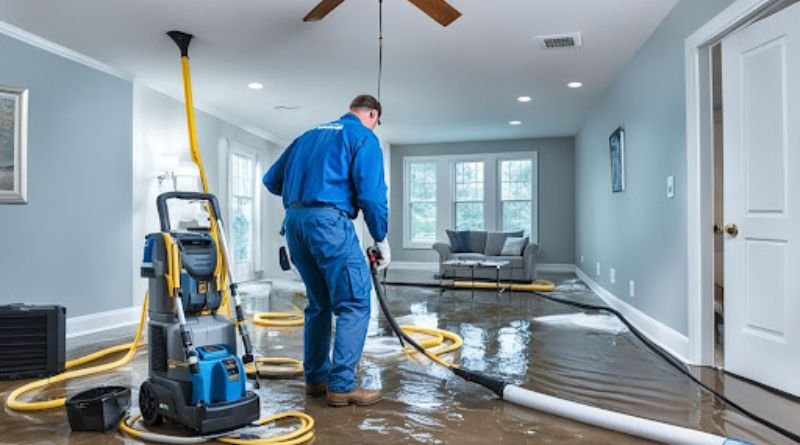
Time is critical when addressing water damage because moisture spreads quickly into porous materials. As water seeps into flooring, drywall, and insulation, it can cause warping, swelling, and structural weakening. Ceilings may begin to sag, and wood components can lose strength over time. Professional restoration teams use high-powered pumps, vacuums, and drying equipment to remove standing water and detect hidden moisture. Rapid extraction and thorough drying reduce the risk of mold growth and prevent secondary damage from escalating further.
Drying and Dehumidification Techniques
Once the standing water has been removed, the focus shifts to drying out your home. High-powered air movers and industrial dehumidifiers draw out moisture trapped in walls, floors, and furniture. It is crucial to dry these areas thoroughly, as even a small amount of moisture can encourage mold growth within 1 to 2 days. As Consumer Reports explains, using the right equipment helps ensure full dryness, reducing the risk of costly repairs and hazardous conditions later.
Addressing Structural Repairs
Water intrusion can compromise the integrity of your home, creating unsafe living conditions if left unaddressed. Restoration professionals carefully assess affected areas, identifying weakened subfloors, framing, insulation, and drywall. Damaged materials are removed and replaced, while compromised beams or supports may be reinforced to restore stability. They also check for hidden deterioration behind walls and beneath flooring. Completing these structural repairs not only improves occupant safety but also helps preserve your property’s long-term value and structural reliability.
Preventing Mold and Mildew Growth
Mold thrives in damp places and can appear quickly after water has entered the home. Not only does mold make the house smell bad, but it can also create health issues, especially in kids and those with allergies or breathing problems. That is why professional services use antimicrobial treatments to disinfect areas that were exposed to water. Homeowners should also maintain humidity below 50 percent and fix leaks immediately to prevent mold from returning.
Implementing Preventive Measures
The best way to avoid future water disasters is with regular home maintenance. Check your roof and gutters often and have your plumbing and appliances inspected at least once a year. Install leak detectors behind appliances and under sinks, so you are alerted before a small leak becomes a big flood. Good ventilation also helps keep air dry in areas like bathrooms and basements. Taking these steps now can spare you from major headaches and repairs later.
Choosing Professional Restoration Services
Some minor water incidents can be handled on your own, but bigger or hidden problems need expert attention. Professional water restoration teams have the experience and equipment to repair the damage and prevent it from happening again. They can handle everything from emergency water removal to restoring damaged materials and even helping with insurance claims. By choosing the right experts, you increase your home’s resilience against future problems. Water damage can happen at any time, but with knowledge and the right actions, you can protect your family and home. Investing in restoration and prevention now is the best strategy for peace of mind in the years to come.