
Key Takeaways
- Put safety first, then document the crash as clearly as possible.
- Report the accident promptly and understand what your insurance claim covers.
- Do not assume visible damage tells the entire story, especially on newer vehicles with sensors and cameras.
- Review repair estimates, parts choices, and final workmanship before accepting the vehicle.
- Check child safety seats after a collision and follow the manufacturer’s instructions.
After a collision, it is easy to feel rushed into decisions about insurance, towing, and repairs. Taking a steady, organized approach can help protect your safety, preserve useful evidence, and make the repair process less stressful. If you need local repair guidance after a crash, global auto collision body shop Wichita can be a helpful starting point for understanding what professional collision repair may involve.
This checklist explains the practical steps drivers can take from the accident scene through final vehicle pickup. It is not a substitute for medical, legal, or insurance advice, but it can help you ask better questions and avoid overlooking important details.
1. Take the Right First Steps at the Scene
First, check yourself and your passengers for injuries. Call 911 when anyone is hurt, traffic is blocked, vehicles are unsafe to drive, or emergency assistance is needed. If the vehicle can be moved safely, pull away from traffic and turn on hazard lights. Avoid discussing blame or making assumptions about what happened. Instead, exchange names, contact details, insurance information, license plate numbers, and vehicle descriptions.
2. Document the Crash and Vehicle Damage
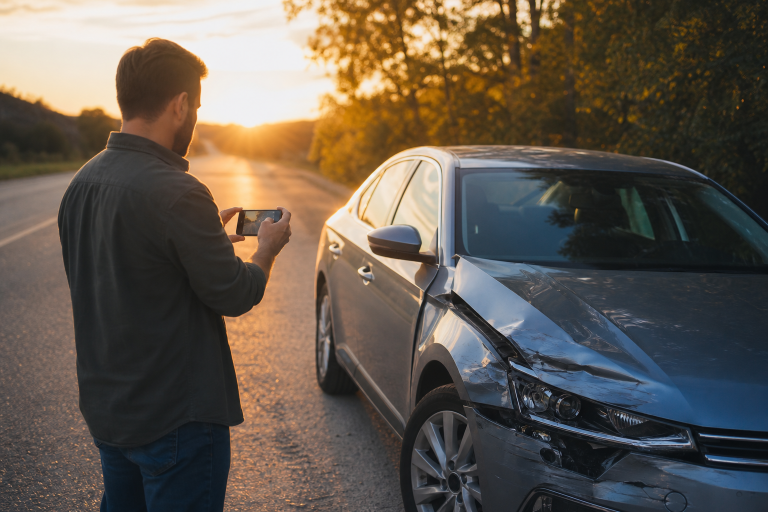
Photos and notes may become important when reporting the claim or reviewing repairs. Take wide photos of the road, signs, lane markings, weather conditions, and vehicle positions. Then capture close images of damaged panels, broken lights, deployed airbags, tire damage, fluid leaks, and any debris.
- Write down the date, time, location, and weather conditions.
- Collect witness names and contact information when available.
- Save the police report number or responding agency information.
- Keep towing receipts, rental documents, estimates, and messages in one place.
3. Report the Accident and Start the Claim
Notify your insurance company as soon as possible and provide accurate information. Make sure to have your policy number, photographs, the report number, and details about the other driver on hand.
Before agreeing to a payment or closing a claim, ask what is included. Depending on the policy and circumstances, coverage may address towing, storage, rental transportation, repairs, or personal property damage. Confirm your deductible and ask whether the estimate is preliminary or final.
4. Choose a Repair Plan With Care
Ask where the vehicle will be inspected, who will communicate with the insurer, and how repair updates will be handled. An insurer may recommend a facility, but drivers should understand their options under their policy and state rules. Look for clear communication, documented repair procedures, written warranty terms, and a willingness to explain the work.
For a shallow dent with intact paint, paintless dent repair may be appropriate. It can preserve the factory finish when the panel is accessible, and the metal has not stretched badly. Cracked paint, sharp creases, torn metal, or structural movement may require more extensive repair and refinishing.
5. Read the Repair Estimate
Repair estimates typically cover costs for labor, replacement parts, paint materials, scans, wheel alignment, calibration, and shop supplies. It’s a good idea to ask the repair professional to clarify the main items on the estimate in simple terms. Make sure to compare the listed repairs with the visible damage. However, keep in mind that the estimate may change once the repair team disassembles parts like the bumper, fender, or trim panel, as they may discover additional damage.
- Ask which repairs are safety-related and which are cosmetic.
- Confirm whether parts are new, recycled, aftermarket, or reconditioned.
- Request notification before major supplemental work is performed.
- Keep a copy of each revised estimate and approval.
6. Watch for Hidden Damage and Safety Systems
Modern vehicles often have cameras, radar units, parking sensors, wiring, and driver-assistance technology behind exterior panels. Even a low-speed impact can affect mounting points or sensor alignment. Post-repair scanning and calibration may be necessary so that warnings, cameras, automatic braking, lane features, and parking aids function as intended.
Also, pay attention to warning lights, unusual steering, vibration, uneven tire wear, wind noise, changes in braking, or water leaks after repairs. Families should inspect child restraints as well. NHTSA’s guidance on car seat use after a crash explains when a seat may remain in service after a minor crash and when replacement is recommended.
7. Ask About Parts, Paint, and Workmanship
Parts selection can affect fit, availability, cost, and warranty coverage. Ask whether the repair will use original equipment, certified aftermarket, recycled, or reconditioned parts. Paintwork should blend naturally with nearby panels, have even gloss, and include appropriate corrosion protection where needed. A quality repair should also restore consistent panel gaps, secure trim, and proper operation of lights and latches.
8. Know What Happens During Repairs
A collision repair commonly moves through several stages:
- Initial inspection, photos, and estimate preparation.
- Disassemble to identify hidden damage.
- Insurance approval and parts ordering.
- Structural, mechanical, and body repairs.
- Paint preparation, refinishing, and reassembly.
- Scanning, calibration, final testing, and quality control.
Timelines can change because of parts availability, newly discovered damage, insurance approvals, or required calibration. Ask for updates when the expected completion date changes.
9. Inspect the Vehicle Before Pickup
Whenever possible, inspect the vehicle in daylight before leaving. Check the repaired area from several angles for color consistency, secure trim, smooth gaps, clean glass, and properly fitted lights. Test the windows, locks, mirrors, turn signals, headlights, and backup camera. Start the vehicle and look for dashboard warning lights.
Review the final invoice, warranty, and any calibration or alignment documentation. If you notice a rattle, a warning light, a poor fit, or a finish issue, report it promptly and keep notes or photos of the concern.
10. Common Questions After a Collision
Can I choose the repair facility?
Often, yes, but the payment process, warranty terms, and insurer network options may differ. Review your policy and ask the insurer what documentation it needs from your chosen shop.
Why did the estimate increase?
Supplemental estimates are common when hidden damage appears after technicians remove exterior parts. The repair facility should explain what was found and why the added work is needed.
What if the vehicle is declared a total loss?
Review the vehicle valuation carefully. Confirm that mileage, options, condition, and comparable local vehicles are accurately reflected before accepting a settlement.
Conclusion
A car accident can create a long list of decisions, but a careful process makes those decisions more manageable. Prioritize safety, document the damage, communicate clearly with the insurer, understand the repair plan, and inspect the completed work. Those steps can help you return to the road with greater confidence.